
Investing in home improvement goes far beyond simple cosmetic upgrades. A well-maintained and thoughtfully enhanced property not only elevates your living experience but also protects the structure and increases its long-term value. Many homeowners focus on interior updates but often overlook the critical role exterior and structural improvements play in safety, efficiency, and comfort. Understanding the wide array of home improvement services available allows homeowners to make informed decisions, prioritize high-impact projects, and work with trusted professionals to achieve lasting results.
From upgrading outdoor spaces to enhancing energy efficiency and implementing modern conveniences, every improvement contributes to a more enjoyable and resilient home. This guide explores essential services and provides actionable tips to help homeowners plan, execute, and maintain these projects effectively.
Planning Your Home Improvement Projects
Setting Clear Goals and Budget
Before starting any renovation or upgrade, it’s important to clarify what you want to achieve. Setting clear goals ensures that your efforts and spending align with your priorities. Start by assessing your home’s current condition, identifying areas that need improvement, and determining which upgrades will deliver the most value. Consider the following when planning:
-
Functionality: Will this improvement solve a specific problem, such as outdated HVAC systems or limited outdoor living space?
-
Budget: Establish a realistic budget that accounts for materials, labor, and unexpected expenses.
-
Timeline: Consider seasonal factors, personal schedules, and project duration to avoid delays.
Creating a detailed plan helps homeowners make smarter decisions, prevent overspending, and avoid impulsive choices that may not enhance long-term value.
Prioritizing Projects Based on Impact
Not all projects deliver the same benefits. Some improvements, such as roof repair or landscape renovations, provide both functional protection and aesthetic appeal, while others may focus primarily on style. When prioritizing projects:
-
Evaluate which improvements enhance safety, prevent damage, or reduce energy costs.
-
Consider upgrades that improve curb appeal for potential resale value.
-
Sequence projects logically to minimize disruptions—for example, complete exterior painting before landscaping to avoid damage.
By focusing on projects with the greatest overall impact first, homeowners maximize the return on investment and ensure that critical maintenance issues are addressed promptly.
Enhancing Outdoor Spaces With Landscaping
Maintaining a Healthy and Attractive Yard
A well-maintained yard improves the overall appeal of a property and protects the soil, plants, and outdoor structures from damage. Engaging a professional landscape maintenance company can simplify upkeep and provide expert guidance. Key tips for maintaining a healthy yard include:
-
Soil Care: Regular aeration and fertilization promote strong root growth.
-
Water Management: Proper irrigation prevents overwatering and reduces runoff, protecting structures and pathways.
-
Seasonal Upkeep: Mowing schedules, pruning, and seasonal cleanups keep the lawn and garden vibrant year-round.
-
Lawn Renovations: Periodically revitalizing the lawn, reseeding bare spots, and addressing compacted soil ensures a lush, resilient landscape.
A carefully maintained yard not only enhances visual appeal but also reduces long-term maintenance costs by preventing plant diseases and soil erosion.
Designing Functional and Aesthetic Outdoor Areas
Outdoor spaces can serve as extensions of your home, offering relaxation, entertainment, and functional benefits. Strategic planning ensures your yard is both beautiful and usable. Tips for designing functional and aesthetic areas include:
-
Integrate pathways, patios, and seating areas that complement the natural landscape.
-
Use native plants and trees to reduce maintenance while enhancing biodiversity.
-
Consider lighting and water features to extend usability into evenings and create visual interest.
-
Plan spaces with drainage in mind to prevent water accumulation near structures.
Combining professional guidance with thoughtful design creates outdoor areas that are visually appealing, easy to maintain, and fully functional for your family and guests.
Improving Indoor Comfort and Climate Control
Upgrading Your Air Conditioning System
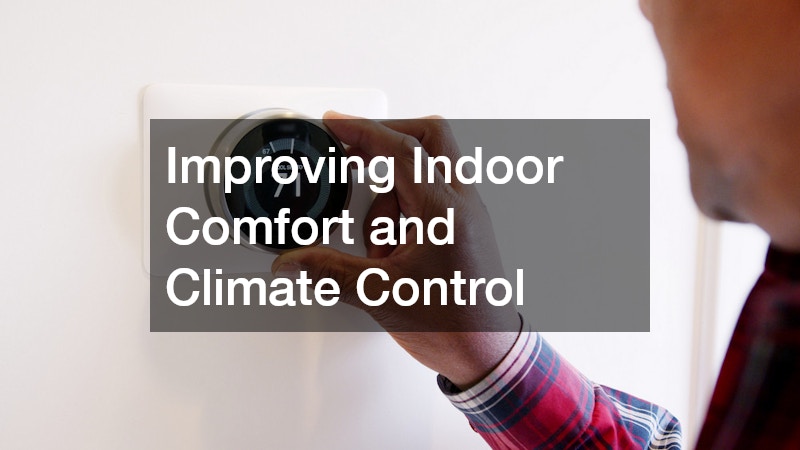
A comfortable indoor environment is essential, especially in regions with extreme temperatures. Signs it may be time to upgrade or service your system include uneven cooling, rising energy bills, and frequent repairs. Working with a qualified air conditioning contractor ensures that you select a system tailored to your home’s size, insulation, and energy efficiency goals. Tips for a successful upgrade:
-
Evaluate your current system’s efficiency using seasonal performance metrics.
-
Choose ENERGY STAR-rated units for maximum savings.
-
Schedule regular maintenance to prolong the system’s lifespan.
Preparing for Power Outages and Energy Reliability
Unexpected power outages can disrupt daily life, especially if your air conditioning or essential appliances are affected. Generator installation provides a reliable backup power source. Consider the following when planning installation:
-
Select a generator sized appropriately for your home’s energy demands.
-
Ensure professional installation to comply with safety codes and local regulations.
-
Regularly test and maintain the generator to ensure it functions when needed.
By addressing both climate control and energy reliability, homeowners can enjoy comfort and peace of mind regardless of external conditions.
Maximizing Natural Light and Energy Efficiency With Windows
Planning Effective Window Replacements
Windows play a major role in energy efficiency, natural lighting, and aesthetics. When planning window installations, consider style, material, and performance. Selecting a reputable window supplier ensures that the products are high-quality and meet your home’s specific needs. Actionable tips for window replacement include:
-
Choose double- or triple-glazed windows for improved insulation.
-
Consider window orientation to maximize daylight while reducing heat gain.
-
Evaluate frame materials such as vinyl, wood, or aluminum for durability and maintenance.
Properly installed windows enhance comfort, reduce energy costs, and create a modern, inviting appearance.
Addressing Damaged Glass Quickly and Safely
Cracked or broken glass not only impacts appearance but can also compromise energy efficiency and safety. Timely window glass replacement is essential. Best practices include:
-
Inspect windows regularly for chips, cracks, and seal failure.
-
Schedule a professional replacement for safety and quality assurance.
-
Consider energy-efficient glass coatings that reduce UV exposure and heat transfer.
Addressing damaged windows promptly maintains both comfort and safety while preventing further deterioration of surrounding materials.
Securing and Defining Your Property With Fences
Choosing the Right Fence for Function and Style
A well-designed fence enhances security, defines property boundaries, and complements your home’s design. Working with a skilled fence contractor ensures proper installation and material selection. Key considerations when choosing a fence:
-
Select materials suitable for your climate, such as treated wood, vinyl, or metal.
-
Balance privacy needs with aesthetics to maintain curb appeal.
-
Plan fence height and layout strategically for safety and functionality.
Investing in a durable, stylish fence improves both security and the overall look of your property.
Installing and Maintaining Fences Effectively
Proper installation and ongoing maintenance ensure fences remain strong and attractive over time. Best practices include:
-
Check for proper alignment and structural integrity during installation.
-
Apply protective coatings or sealants to prevent weather damage.
-
Perform seasonal inspections to detect rot, rust, or loose components early.
Regular upkeep prolongs the lifespan of your fence while preserving its visual and functional benefits.
Selecting the Right Home Builder
Whether you’re constructing a new home or planning a major addition, choosing the right builder is crucial. Experienced professionals can guide you through design, permitting, and construction while ensuring quality and compliance. When evaluating a custom home builder or local home builder, keep these tips in mind:
-
Review Past Projects: Look for completed homes with styles, quality, and craftsmanship that match your expectations.
-
Check Credentials: Confirm licenses, insurance, and any relevant certifications to ensure accountability.
-
Ask for References: Speak with previous clients to understand their experience with timelines, communication, and problem-solving.
-
Evaluate Communication: A builder who listens and provides clear updates reduces stress and ensures smoother project execution.
Selecting the right professional ensures your vision is realized efficiently and avoids costly mistakes or delays during construction.
Planning Additions and Renovations Strategically
A thoughtful approach to expansions or renovations improves functionality while maintaining your home’s aesthetic integrity. Key considerations include:
-
Architectural Cohesion: Ensure new additions blend seamlessly with the existing home structure and design.
-
Space Utilization: Maximize living space without compromising outdoor areas, natural light, or traffic flow.
-
Budget Management: Factor in materials, labor, permits, and potential unexpected costs.
-
Timeline Coordination: Schedule projects in a way that minimizes disruption to daily life.
Strategic planning balances your lifestyle needs with long-term value, resulting in a home that is both functional and appealing.
Maintenance and Safety Best Practices for Homeowners
Routine Checks to Prevent Costly Repairs
Regular maintenance is key to preserving a home’s performance and protecting your investment. Inspecting your property at least seasonally helps catch small issues before they escalate. Focus on areas such as:
-
Roof and Gutters: Prevent leaks and structural damage by inspecting for missing shingles, debris, and clogs.
-
Windows and Doors: Look for drafts, broken seals, and signs of wear to maintain energy efficiency.
-
Outdoor Spaces: Examine fences, patios, and landscaping for damage, decay, or erosion.
-
Utilities and HVAC Systems: Ensure air conditioning units and generators operate properly and safely.
By staying proactive, homeowners reduce repair costs, extend the life of systems, and maintain safety for family and guests.
Working With Professionals Safely and Efficiently
Hiring trusted professionals ensures high-quality work and minimizes risk during home improvement projects. When collaborating with contractors:
-
Verify Credentials: Confirm licenses, insurance, and references to protect your investment.
-
Set Clear Expectations: Define project scope, timelines, and budget upfront to avoid misunderstandings.
-
Communicate Regularly: Maintain open communication to address changes or challenges promptly.
-
Schedule Inspections: Check work quality during and after completion to ensure standards are met.
Working with qualified experts reduces stress, improves project outcomes, and ensures your home remains safe and durable for years to come.
Enhancing Outdoor Comfort and Functionality
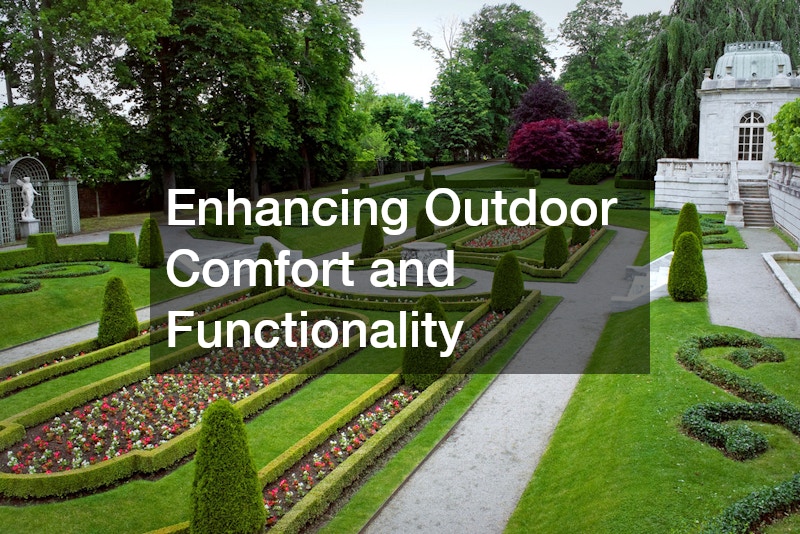
Optimizing Lawn and Garden Spaces
A vibrant, well-kept lawn contributes significantly to curb appeal and property enjoyment. Implementing lawn renovations and partnering with a landscape maintenance company can revitalize neglected spaces. Tips for optimizing outdoor areas include:
-
Aerate and Fertilize: Promote root health and thicker grass coverage.
-
Reseed Bare Spots: Ensure even, lush growth across your yard.
-
Seasonal Care: Prune trees and shrubs, control weeds, and maintain flower beds.
-
Irrigation Management: Adjust watering schedules according to season and rainfall.
Healthy outdoor spaces provide both visual appeal and a functional setting for family gatherings, recreation, and relaxation.
Maximizing Safety and Privacy With Outdoor Structures
Adding functional structures like fences or pergolas increases privacy, defines outdoor zones, and enhances security. Working with a fence contractor ensures your property boundaries are clearly defined while providing structural integrity. Additional tips:
-
Select Durable Materials: Choose wood, vinyl, or metal suited to your climate and usage.
-
Plan Layout Thoughtfully: Align fences and gates for smooth access while maintaining privacy.
-
Regular Maintenance: Inspect for rot, rust, or damage to prolong lifespan and maintain safety.
Integrating well-maintained outdoor structures creates a secure, comfortable, and attractive environment for your family and guests.
Energy Efficiency and Home Technology Upgrades
Modernizing Windows and Insulation
Improving energy efficiency reduces costs and enhances comfort. Replacing old windows and upgrading insulation can have a significant impact. Key steps include:
-
Window Upgrades: Use double- or triple-glazed windows to minimize heat transfer. Consult a window supplier to ensure quality materials and options that meet energy standards.
-
Professional Window Installations: Proper installation prevents leaks, drafts, and long-term energy loss.
-
Maintenance: Schedule regular inspections for cracks, condensation, or damage requiring window glass replacement.
Energy-efficient windows and insulation help regulate indoor temperatures, lower utility bills, and create a more comfortable living environment year-round.
Implementing Backup Energy Solutions
Power reliability is critical, especially in areas prone to outages. Installing a generator offers peace of mind and uninterrupted operation of critical systems. For homeowners:
-
Generator Installation: Work with qualified technicians to ensure safe and compliant installation.
-
Capacity Planning: Size your generator to meet the home’s essential energy needs.
-
Maintenance: Regularly test and service the system to ensure readiness during emergencies.
Backup energy solutions protect appliances, HVAC systems, and home comfort, while minimizing disruption during power failures.
Combining Aesthetics and Function in Home Improvement
Landscaping and Hardscaping Integration
A cohesive approach to landscaping and hardscaping improves usability and enhances the home’s visual appeal. Tips include:
-
Design with Flow: Pathways, patios, and garden layouts should feel natural and intuitive.
-
Use Complementary Materials: Hardscape elements like stone or wood should match existing structures.
-
Professional Input: Partner with a landscape maintenance company to implement plans efficiently and sustainably.
Well-designed outdoor spaces create harmony between the home and its surroundings, supporting enjoyment and long-term value.
Outdoor Structures for Entertainment and Utility
Adding decks, pergolas, and fences increases usable outdoor space and defines areas for recreation. Homeowners can:
-
Plan Functional Zones: Separate areas for dining, lounging, and play.
-
Prioritize Durability: Use weather-resistant materials for longevity.
-
Hire Skilled Contractors: Ensure proper construction, structural safety, and adherence to building codes.
Strategic additions enhance both lifestyle and property aesthetics, offering functional spaces for entertaining and relaxation.
Planning for Long-Term Home Value
Strategic Renovations and Upgrades
Investing in high-impact renovations improves both livability and property value. Key strategies include:
-
Focus on Core Systems: Prioritize HVAC, roofing, windows, and insulation improvements.
-
Update Exterior Features: Fences, landscaping, and hardscapes improve curb appeal.
-
Work With Trusted Contractors: Reliable professionals ensure quality work, including custom home builders or local home builders for major projects.
Thoughtful planning ensures that upgrades align with long-term goals and maximize the home’s resale potential.
Maintaining Projects Over Time
Even well-executed renovations require ongoing care to preserve value and function. Tips include:
-
Routine Inspections: Check for wear, weather damage, or signs of deterioration.
-
Scheduled Maintenance: Clean, repair, and maintain features such as windows, fences, and lawns.
-
Professional Services: Engage specialized contractors for complex systems, including air conditioning units, generators, and windows.
Consistent maintenance extends the life of investments and protects against unexpected repairs, preserving both comfort and financial value.
Investing in home improvement services goes beyond superficial updates. By thoughtfully planning projects, engaging skilled professionals, and maintaining completed work, homeowners can enhance comfort, functionality, and long-term value. From landscaping and outdoor enhancements to energy-efficient windows, reliable climate systems, and strategic renovations, each improvement contributes to a safer, more enjoyable, and resilient home.
By approaching home upgrades strategically and consistently caring for your property, you create a home that reflects both style and practicality—providing lasting satisfaction for you, your family, and future owners.
