
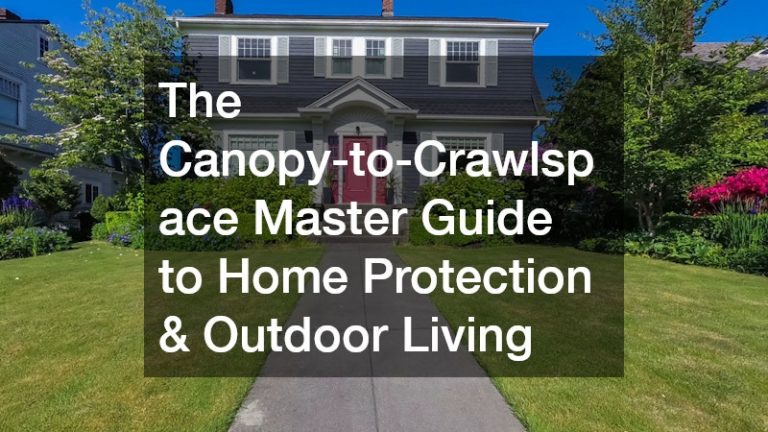
Every residential home operates as a single connected ecosystem. What occurs high in the upper tree branches directly impacts roof integrity, while the rainwater flowing off shingles shapes the health of the surrounding soil and house foundation. Too often, property owners view outdoor aesthetic projects and core structural maintenance as entirely separate endeavors. A family might hire experienced custom pool builders to craft a luxury backyard swimming area, yet overlook how thousands of pounds of displaced dirt alter natural rainwater drainage across the lot. Similarly, scheduling a weekly lawn service creates immediate curb appeal, but ignoring improper soil slope around flowerbeds can send heavy summer rainfall directly toward foundation footings.
A property functions best when every level receives coordinated, long-term care. High tree limbs, exterior siding, patio frameworks, and subfloor footings all influence one another. When sudden severe storms knock down dead branches, leaves quickly clog drainage channels, causing water to spill over exterior walls into the dirt below. That excess moisture gradually works its way beneath the floor joists, compromising the structural framing and indoor air quality. Achieving a balance between upscale outdoor living additions and essential building defense preserves property equity while keeping the interior living environment dry, safe, and energy efficient. Taking a comprehensive approach to property care allows homeowners to make smart investments that protect their homes for decades to come.
Managing the Upper Canopy and Overhead Hazards
Trees bring natural shade, energy savings, and visual beauty to a residential property, but unmanaged upper branches represent a continuous threat to rooflines and secondary buildings. During intense windstorms, heavy limbs can easily snap under pressure, crashing onto shingles, breaking skylight glass, or crushing delicate patio framing below. Scheduling regular evaluations with a certified tree service keeps tall trees healthy while identifying hazardous deadwood before severe weather arrives. Beyond storm safety, thinning a dense leaf canopy allows vital natural sunlight to reach ground level, helping damp topsoil dry out naturally after prolonged rainstorms.
Overhanging branches also drop a continuous stream of leaves, needles, twigs, and sap onto secondary structures around the yard. A wooden utility shed positioned beneath a mature oak tree, for instance, faces constant exposure to falling organic debris. When wet leaves stack up on outbuilding roofs, they trap moisture against shingle surfaces, rotting underlying plywood decks and causing unexpected roof leaks. Trimming upper limbs away from outbuildings prevents premature roof decay and extends the structural lifespan of outdoor storage spaces. Additionally, keeping branches pruned back away from main rooflines denies squirrels, raccoons, and insects a convenient bridge to access attic vents and exterior fascia boards.
Controlling Roof Runoff and Soil Erosion
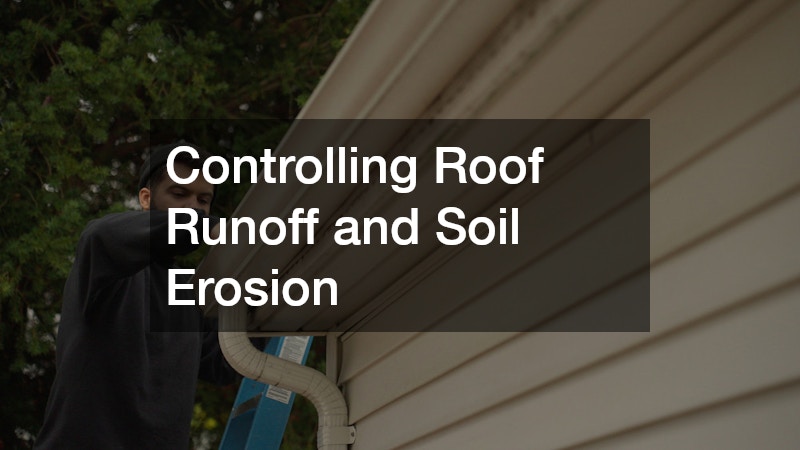
Rainwater collecting on a roof during a heavy summer downpour generates a massive volume of fast-moving water. Without a controlled drainage system, this water cascades directly off roof edges in continuous sheets, carving deep trenches into landscaping beds and washing away topsoil. Investing in professional gutter installation creates a dedicated pathway for roof water, catching heavy rainfall and directing it safely into downspouts that discharge far away from the house foundation. Skipping this basic exterior protection allows thousands of gallons of rainwater to pool along concrete footings, leading to foundation settling, wall cracking, and saturated soil beneath the building.
Controlled water management is equally critical when adding decorative secondary structures to the yard. When collaborating with a skilled gazebo builder to construct a custom outdoor pavilion, evaluating the surrounding lot drainage must occur during the initial planning phase. If an open-sided wooden shelter sits directly beneath an unguttered roofline or at the bottom of a steep slope, continuous water splashing against structural posts will cause premature wood rot, soil instability, and uneven foundation settling. Routing roof downspouts into subterranean piping or designated drainage basins protects these decorative timber buildings, preserves surrounding soil layers, and keeps nearby patio masonry stable through every season.
Designing Comfortable and Enclosed Outdoor Spaces
Outdoor living areas serve as natural extensions of the interior floorplan, offering practical space for family meals, relaxation, and hosting guests. However, outdoor enjoyment quickly diminishes when biting insects, intense afternoon sun, or falling tree debris invade the patio area. Constructing a custom screen enclosure provides a protected haven where homeowners can enjoy fresh air without constantly swatting away mosquitoes or clearing leaves from outdoor tables. These light-transmitting mesh barriers shield living areas from intense solar heat while permitting cool breezes to pass through, keeping ambient temperatures comfortable on hot summer afternoons.
Physical barriers perform best when supported by proactive maintenance along the perimeter of the structure. Implementing a routine pest control program prevents unwelcome insects from nesting around patio foundations, deck supports, and exterior siding. Termites, carpenter ants, hornets, and spiders frequently search for damp wood and quiet crevices near home foundations. Establishing protective barriers around the exterior footprint stops infestations before bugs find small openings into living quarters. Combining high-quality screening with ongoing perimeter treatments maintains clean patio surfaces, preserves exterior woodwork, and ensures that outdoor entertainment areas remain inviting throughout the year.
Protecting the Subfloor from Crawlspace Dampness
While outdoor entertainment zones attract most of the attention during warm months, the dark space beneath the main living floor requires equal care. Exposed dirt underneath an open floor plan continuously releases soil moisture into the air through natural evaporation. Over time, high humidity in this enclosed space causes floor joists to warp, fiberglass insulation to sag, and interior wood flooring to warp or cup. Executing a full crawlspace encapsulation transforms this damp area into a sealed, dry clean space by lining dirt floors and masonry walls with heavy vapor barriers, sealing outdoor vents, and installing dedicated dehumidification systems.
When subfloor moisture issues go unaddressed for months or years, excessive humidity creates ideal conditions for fungal growth on floor framing and support beams. In these situations, professional mold remediation becomes necessary to remove active fungal colonies, sanitize affected wood surfaces, and restore clean air conditions beneath the home. Mold spores produced in damp subfloors easily drift upward into living spaces through floor seams, utility penetrations, and ductwork, leading to lingering odors and potential respiratory issues for residents. Controlling ground dampness before fungal issues spread protects the structural frame of the house while safeguarding indoor air quality.
Maintaining Curb Appeal with Seasonal Property Upkeep
A vibrant, healthy exterior requires continuous care that adapts to seasonal shifts throughout the year. Lawn turf requires balanced fertilization, core aeration, and correct mowing practices to build deep root networks that resist soil erosion. Engaging a reliable lawn service keeps grass thick and healthy, preventing heavy rain from washing loose topsoil into driveway drains or street gutters. A thick carpet of turf acts like a living sponge, capturing surface water, filtering impurities, and slowing down ground runoff during intense summer downpours.
Tree health similarly demands long-term oversight to maintain structural safety and visual harmony across the yard. Periodic visits from a certified tree service allow arborists to spot fungal diseases, structural defects, or insect damage before structural failure occurs. Trimming away deadwood during dormant winter months promotes strong growth during the spring while reducing weight loads on branches extending toward driveways or neighbor properties. When turf care and tree management work in tandem, the property enjoys balanced sunlight, improved soil absorption, and resilient vegetation capable of withstanding extreme weather events.
Integrated Care Strategies for Long-Term Equity

Managing a home successfully means striking a practical balance between lifestyle upgrades and core structural preservation. Investing in custom pool builders to design a resort-style backyard swimming area introduces incredible recreational value, but these large-scale additions must fit into a comprehensive land management strategy. Excavating large areas alters groundwater movement, making it essential to protect nearby foundations, retaining walls, and surrounding hardscapes from standing water.
Protecting these physical investments requires defensive measures against structural pests and environmental wear. Maintaining consistent pest control protection around pool decks, wooden fences, and house foundations prevents subterranean termites and moisture-seeking pests from damaging structural frames. Real estate equity depends just as much on clean, dry subfloors and intact rooflines as it does on modern interior finishes and pristine backyard pools. Implementing a canopy-to-crawlspace care strategy lowers long-term repair expenses, boosts energy efficiency, and ensures that outdoor living features remain beautiful and structural elements remain sound for many years to come.
Site Planning and Lot Drainage Alignment
Before breaking ground on any major outdoor improvement, homeowners should carefully analyze how new structures influence existing lot drainage. Every new hardscape surface, whether a concrete patio slab, a swimming pool deck, or a timber pavilion, reduces the permeable ground area available to absorb rainfall. When rainwater hits impermeable surfaces, it collects rapidly and flows toward the lowest point of the yard. Without proper site grading, this diverted water can collect against outbuildings, drown delicate garden plants, or saturate the soil around foundation footings.
Integrating custom site drainage into initial landscape plans prevents water accumulation near key structures. Installing French drains, catch basins, and shallow swales helps guide heavy rainwater safely around patio areas and outbuildings toward designated runoff zones. Properly pitched lot slopes ensure that water moves steadily away from the home rather than pooling near foundation walls. Taking time to map out water pathways before beginning construction protects new landscaping investments and prevents structural moisture problems down the road.
Outbuilding Protection and Moisture Prevention
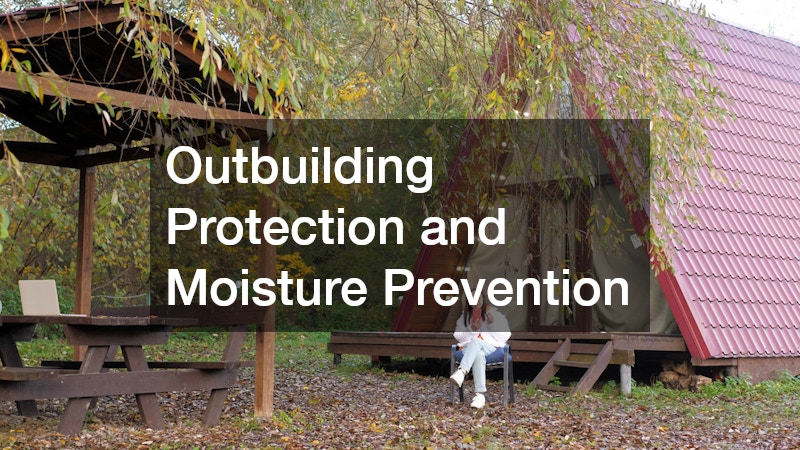
Outbuildings like garden workshops, tool sheds, and detached garages play an essential role in keeping a residential property organized and functional. However, because these secondary structures are often built on basic gravel beds or thin concrete slabs, they are particularly vulnerable to ground dampness and roof leaks. Water collecting around the base of an outbuilding can quickly rot lower wall plates, warp wooden doors, and damage expensive power tools stored inside.
Ensuring proper roof drainage and ground clearance is vital for maintaining the longevity of secondary buildings. Roof channels on outbuildings should be cleared regularly of leaves, pine needles, and dirt to prevent water from backing up beneath edge shingles. Additionally, the surrounding soil should slope gently away from exterior walls to prevent standing rainwater from soaking into floor joists. Simple preventative maintenance, such as sealing exterior wood siding and elevating storage shelves above floor level, keeps outbuilding interiors dry, clean, and organized throughout the changing seasons.
Preserving Indoor Air Quality and Structural Health
The physical condition of a home’s foundation and subfloor directly influences the quality of the air inside the main living quarters. Due to natural temperature differentials and air movement patterns within a house, air constantly rises from lower crawlspaces and basements up into ground-floor rooms. When lower levels remain damp and humid, airborne moisture, dust mites, and fungal spores are pulled directly into family living areas, creating unpleasant odors and potential health risks for sensitive occupants.
Sealing out ground moisture and controlling subfloor humidity creates a healthier indoor environment for the entire household. Removing damp insulation, installing heavy ground barriers, and maintaining stable humidity levels beneath the floorboards stop wood rot and improve heating and cooling efficiency. Dry subfloor framing retains its structural strength, preventing floor squeaks and sagging floorboards. Prioritizing foundation dryness protects the structural core of the house while ensuring clean, fresh air circulates through every room above.
Mastering the Outdoor Living Ecosystem
A successful property strategy connects upper canopy care down to foundation defense into one seamless system. Every structural addition, whether an outdoor kitchen, secondary storage space, or custom swimming pool, alters how light, wind, and water interact with the main house. When water flows off a gazebo roof, it must be captured and redirected before it can saturate subfloor soils. When a new pool is installed, the surrounding turf and drainage paths must handle shifted groundwater without flooding foundation walls.
Homeowners who evaluate their properties through this integrated lens avoid costly surprise repairs. By addressing overhead tree hazards, capturing roof runoff, enclosing patio zones, and sealing exposed crawlspace soil, the entire home stays drier, cleaner, and structurally stronger. Balancing luxury outdoor additions with disciplined structural protection builds lasting home equity, lowers utility bills, and provides absolute peace of mind through every season of the year.
