

Creating a custom outdoor living space is one of the most rewarding home improvement projects you can undertake. A thoughtfully designed deck or patio extends your usable square footage, brings the comfort of your indoor living room into the open air, and serves as the ultimate backdrop for summer barbecues, quiet morning coffees, and evening relaxation. Beyond the immediate lifestyle benefits, a well-executed outdoor renovation adds substantial equity to your property, making it a highly attractive selling point for future buyers. However, transforming a vacant backyard into a functional paradise requires careful planning, strategic layout considerations, and an understanding of how different elements interact with your existing landscape.
Many homeowners jump straight into choosing furniture or picking out stain colors before analyzing the foundational mechanics of their outdoor layout. A poorly positioned deck or a patio that lacks proper sun protection can quickly become unusable during the heat of summer, turning a significant financial investment into a missed opportunity. To ensure your new space perfectly aligns with your lifestyle, budget, and property topography, you must evaluate a series of interconnected structural and environmental factors. This guide explores the essential components of designing a flawless outdoor layout, guiding you through the critical decisions that lead to an enduring, high-performance backyard retreat.

Analyze Traffic Flow and Access Points
The success of your new outdoor layout depends heavily on how seamlessly it connects with the interior of your home. Before finalizing the shape or size of your project, look closely at your household’s existing traffic patterns and primary exit doors. Ideally, an outdoor dining or lounge area should sit adjacent to your kitchen or main living room to make carrying heavy food trays, drinks, and entertainment supplies as effortless as possible. If guests have to navigate a maze of narrow hallways or walk through a private bedroom just to access the backyard, the functionality of the space will be significantly compromised.
You must also map out how people will move across the new structure itself once it is built. Ensure that walkways between lounge chairs, dining tables, and cooking stations remain wide, unobstructed, and safe for family members of all ages. If your layout features multiple tiers or steps down to the grass, position the stairs in a natural pathway that logical intuition dictates. Planning these interior-to-exterior transitions carefully eliminates awkward bottlenecks, ensures your household routines flow smoothly, and creates an inviting environment that naturally draws people outside.
Balance Sun Exposure and Climate Protection
Understanding the seasonal movement of the sun across your backyard is a critical step in designing an enjoyable outdoor environment. A west-facing deck or patio will bear the brunt of intense, late-afternoon solar radiation, which can quickly heat up wood, composite, or stone surfaces to uncomfortable temperatures. Conversely, a completely shaded northern exposure might feel chilly and damp during the shoulder seasons of spring and autumn. Documenting how light hits your yard at various times of the day allows you to position your primary seating zones where they will be most comfortable.
For areas that receive relentless midday glare, integrating structural shade is the absolute best way to maximize the usability of your new footprint. Incorporating a heavy-duty, professionally installed patio cover provides an impenetrable barrier against harsh UV rays and unexpected afternoon rain showers, ensuring your outdoor plans are never canceled by wild weather. Whether you opt for a modern solid pavilion, an insulated aluminum canopy, or an attached wooden structure, protecting your main dining furniture preserves the lifespan of your fabrics and keeps your family perfectly cool and comfortable all summer long.
Choose the Right Foundation Materials for Your Hardscape
If your backyard layout leans toward a ground-level hardscape rather than an elevated wooden platform, selecting the correct foundational engineering is paramount. A beautiful stone or concrete surface requires an incredibly stable, perfectly leveled sub-base to prevent shifting, cracking, and water pooling over time. Ground-level spaces must be designed to slope slightly away from your home’s foundation walls to ensure heavy storm runoff is directed safely into your lawn’s natural drainage areas rather than your basement.
To guarantee that your ground-level project withstands seasonal freeze-and-thaw cycles without buckling, you should partner with a professional concrete company to manage the technical pouring and grading processes. These specialists possess the industrial machinery necessary to excavate the earth, pack down thick gravel sub-bases, install steel rebar reinforcements, and pour flawless, durable slabs. Whether you prefer a clean brushed finish, an elegant stamped pattern, or a solid foundation for a future stone overlay, investing in high-quality mud-work ensures your outdoor flooring remains perfectly flat, secure, and beautiful for decades.
Integrate Elegant Stonework and Retaining Walls
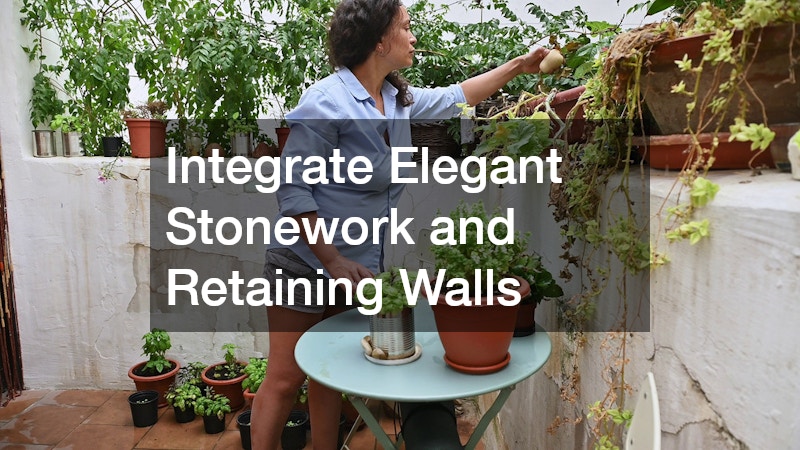
For sloped properties or homeowners looking to inject a sense of timeless luxury into their outdoor layouts, incorporating multi-level stone features is an excellent design choice. Retaining walls can transform a steep, unusable hill into a series of beautiful, flat terraces, while built-in stone fire pits and outdoor kitchens create permanent structural focal points for entertaining guests. Merging these heavy elements with your walkways requires an eye for architectural balance and an understanding of load-bearing engineering.
Executing intricate masonry details properly requires a level of craftsmanship that goes far beyond standard DIY capabilities. Securing a skilled, professional masonry service ensures that every brick, flagstone, and interlocking block is set with specialized mortars and proper internal drainage channels to prevent water pressure from collapsing the structures. These expert craftsmen can build breathtaking outdoor fireplaces, seat walls, and stone pillars that tie your entire landscape together, transforming a simple backyard into a sophisticated, high-end estate that commands immense market value at resale.
Source Premium Materials From a Trusted Supplier
The visual character and texture of your patio depend heavily on the specific types of rock, slate, or pavers you choose to install. From rustic, irregular flagstones that mimic a natural mountain trail to sleek, uniform porcelain pavers that complement a hyper-modern home facade, the material possibilities are virtually endless. Each type of stone possesses unique porosity, slip-resistance, and thermal retention properties that must be carefully matched to how you intend to use the space. For example, pool surrounds require cool, textured surfaces that won’t burn bare feet or become slippery when wet.
To explore the best material options and view real-life samples in various lighting conditions, you should visit a well-stocked, local stone supplier. Wandering through a professional showroom allows you to compare the color variations of natural bluestone, travertine, granite, and limestone side by side. Sourcing your materials directly from a dedicated aggregate and stone dealer ensures you receive high-grade, structurally sound products in bulk quantities, giving your installation crew exactly what they need to create a cohesive, stunning outdoor floor.
Design a Long-Lasting Custom Elevated Framework
If your home’s main living areas sit high above the ground level, or if you are looking to capture a beautiful distant view over your property line, an elevated platform is the ideal choice for your layout. Building an elevated structure allows you to bypass uneven topography completely, creating a perfectly flat, aerial oasis that connects directly with your upper-level doors. A raised layout also unlocks the area beneath the framework, providing a built-in, dry storage zone for lawn mowers, garden tools, and seasonal gear.
To ensure your elevated space perfectly mirrors the architectural lines of your home and accommodates your specific weight requirements, you should invest in a professionally engineered custom deck. Designing a bespoke framework allows you to incorporate unique geometric shapes, built-in bench seating, custom railing systems, and dedicated cutouts for mature trees or hot tubs. Working with a specialized deck designer ensures that the support posts, ledger boards, and joist spans comply with strict local building codes, guaranteeing the absolute safety of your guests during large gatherings.
Select Sturdy Framing Materials to Ensure Longevity
The hidden skeleton of any wooden structure is just as important as the beautiful surface boards you walk on every day. Even if you choose a high-end composite material for your visible flooring, the underlying joists, beams, and support posts are typically constructed from heavy-duty structural timber. If this structural framing is exposed to constant moisture, soil contact, or insect activity without proper treatment, it will rapidly rot, compromising the safety of the entire installation.
To protect your financial investment, you must ensure that your builder sources top-tier, pressure-treated structural timber that is specifically rated for ground contact. Buying your materials from reputable lumber supplies dealers guarantees that your framing pieces are straight, dense, and properly cured to resist warping and twisting over time. Using premium wood for your structural grid ensures that your outdoor living area remains perfectly rigid and level, preventing sagging floorboards and protecting your family from structural failures for decades to come.
Ensure Clear Sightlines and Access Across the Landscape
Before the construction crews break ground on your new layout, it is vital to evaluate how the new structures will interact with the mature vegetation already growing on your property. Large, established trees can provide wonderful natural shade and architectural character to your design, but their expanding root networks can easily crack concrete slabs, lift patio pavers, and disrupt deck support footings. Furthermore, low-hanging branches can present a safety hazard during severe windstorms or droop low enough to scratch your new structures.
To protect both your new investment and the health of your existing canopy, you should schedule a comprehensive site evaluation with professional tree services early in the planning phase. Certified arborists can safely prune dead or hazardous limbs, clear out branches that conflict with your structural boundaries, and evaluate whether nearby root systems pose a long-term threat to your foundations. Managing your trees proactively ensures that your outdoor living area receives a perfect balance of natural canopy shade and open sky without risking property damage from falling debris.
Establish Boundaries for Privacy and Security
An outdoor living area should feel like a private, intimate sanctuary where you can fully unwind without feeling exposed to the wandering eyes of neighbors or passing street traffic. If your backyard layout leaves your seating zones completely visible to adjacent properties, your comfort and peace of mind will be significantly diminished. Integrating structural perimeters into your layout design is the absolute best way to establish clear boundaries, enhance home security, and create a cozy, enclosed atmosphere.
Consulting with professional fencing companies during your initial design phase allows you to seamlessly integrate privacy walls, classic shadowbox fences, or modern horizontal slate perimeters directly into your layout. A well-placed privacy fence does far more than just block sightlines; it also acts as a highly effective windbreak during breezy evenings and provides a safe, contained environment for pets and children to play freely. Choosing a style and material that complements your home’s architecture ties your entire property together, completing your backyard transformation beautifully.
Finalize Ground Finishes to Complete the Design
Once the heavy construction phases of your deck or patio are officially complete, you need to transition the edges of your new structure back into the surrounding natural lawn. The raw earth surrounding a newly poured slab or deck framing is often left compacted, messy, and prone to severe mud erosion during the first heavy rainstorm. Creating clean, defined transition zones using organic ground covers is the ultimate finishing touch that transforms a raw construction site into a polished, cohesive landscape design.
Utilizing a professional mulching service to blanket the bare earth around your new hardscape is an incredibly smart, low-maintenance way to finalize your perimeter design. A thick, uniform layer of premium wood mulch suppresses stubborn weed growth, retains essential moisture for perimeter plantings, and prevents soil from washing up onto your clean new stone or wood floors. This simple finishing touch provides a beautiful, dark visual contrast that frames your new entertainment space, grounding the structure naturally within your backyard environment.

Partner with a Skilled Installation Specialist
While small DIY projects can be an enjoyable weekend hobby, executing a comprehensive, multi-layered backyard transformation requires a level of heavy equipment and engineering expertise that only a veteran professional possesses. From running initial soil density tests and operating massive grading excavators to perfectly leveling tons of crushed stone base materials, the technical demands of hardscaping are immense. Trying to cut corners on the foundational labor will inevitably lead to uneven flooring, sinking structures, and costly remediation work down the road.
To guarantee a flawless, stress-free execution of your design, you should hire a licensed paving contractor to manage the physical installation of your patio and walkways. These industry professionals bring a wealth of practical experience, specialized compaction tools, and laser-guided leveling systems to your property, ensuring that every square inch of your new surface drains perfectly and remains rock-solid for a lifetime. Delegating the heavy lifting to an established paving expert gives you complete peace of mind, allowing you to relax while your dream layout is brought to life with precision craftsmanship.
Planning a new outdoor layout is an incredibly empowering journey that can completely revolutionize how you experience and enjoy your home’s natural surroundings. By taking a comprehensive, holistic approach to your design—carefully analyzing sun paths, establishing smooth traffic flows, protecting your privacy, and selecting premium structural materials—you create an environment that perfectly balances daily functionality with breathtaking luxury. Investing the time to plan your layout thoroughly ensures that every single dollar of your budget is used strategically to build a space that honors your unique lifestyle.
Ultimately, the key to an outdoor space that truly stands the test of time lies in combining a brilliant design vision with elite, professional craftsmanship. Partnering with licensed engineers, masonry experts, and paving specialists guarantees that the hidden, foundational components of your deck or patio are built to the highest possible industry standards. Embrace the creative process, trust the guidance of established local professionals, and look forward to celebrating decades of beautiful outdoor memories in a backyard sanctuary that is perfectly tailored to your family.
