
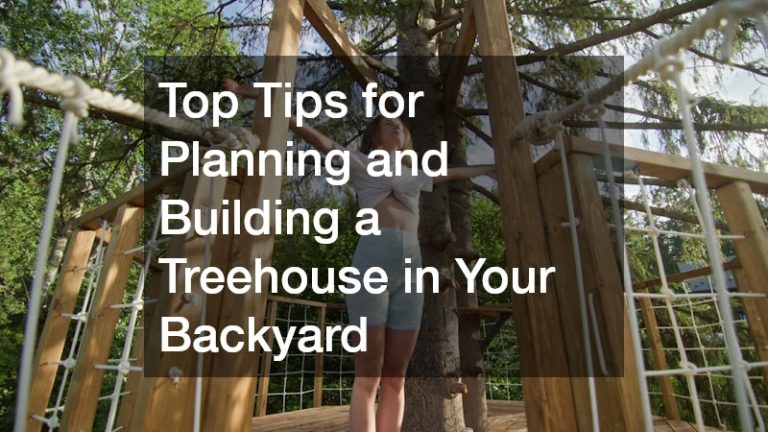
Planning and building a treehouse is one of those projects that blends creativity, nostalgia, and practical decision-making. For many homeowners, a treehouse isn’t just a fun weekend project; it’s a long-term feature that becomes part of the landscape and the family’s memories. Whether the goal is a quiet retreat, a play space for kids, or even a backyard hangout for adults, thoughtful planning makes all the difference.
Before any lumber is cut or nails are driven, it helps to step back and think about the bigger picture. A treehouse needs to coexist with the trees, shrubs, and ground around it. It also needs to meet safety expectations while still feeling imaginative and inviting. Rushing into construction without a plan can lead to unnecessary stress, added costs, or even damage to your property.
One of the first considerations is purpose. Some treehouses are meant to be simple platforms with railings, while others include enclosed walls, windows, and doors. Defining how the space will be used helps guide decisions about size, materials, and placement. It also determines how much professional support you may want along the way.
Budgeting is another important early step. While a basic treehouse can be built affordably, more elaborate designs often involve professional services, specialized materials, and site preparation. Planning for these costs upfront helps avoid compromises later that could affect safety or durability.
Timing also matters. Building during the right season can reduce complications related to weather, soil conditions, and tree health. Many homeowners choose to plan during cooler months and build when conditions are more predictable. This approach also allows more time to coordinate services and materials.
Local regulations can influence what’s possible as well. Some areas have guidelines related to structures, setbacks, or tree modifications. Checking these details early prevents surprises that could delay or halt the project altogether.
Another key factor is long-term maintenance. A treehouse is exposed to the elements, and ongoing care will be part of ownership. Thinking ahead about access for repairs, inspections, and updates makes the structure more enjoyable over time.
Ultimately, a well-planned treehouse balances imagination with responsibility. With the right preparation, it becomes a feature that adds value, enjoyment, and character to your backyard for years to come.
Caring for Your Trees

Healthy trees are the foundation of any successful treehouse. Before construction begins, it’s important to evaluate the condition of the trees involved. Strong roots, solid trunks, and healthy canopies all contribute to a safer and more stable structure. Ignoring tree health can put both the treehouse and its occupants at risk.
Many homeowners choose to consult tree care services to assess whether a tree is suitable for supporting a structure. These professionals can identify signs of disease, rot, or structural weakness that may not be obvious to an untrained eye. Addressing these issues early helps prevent future problems.
Proper tree care also includes monitoring soil conditions around the base. Compacted soil, erosion, or water pooling can weaken roots over time. Simple adjustments, such as improving drainage or adding mulch, can make a noticeable difference in tree health.
Ongoing maintenance is just as important after construction. Trees continue to grow and change, and the treehouse should be designed to accommodate that growth. Regular check-ins help confirm that attachments, supports, and clearances remain appropriate.
Healthy trees don’t just support the structure; they enhance the overall experience. A thriving canopy provides shade, visual appeal, and a sense of connection to nature that makes a treehouse feel special.
Trimming Your Trees
Strategic trimming plays a key role in preparing for a treehouse. Overgrown branches can interfere with construction, block sunlight, or create safety concerns. Thoughtful trimming improves access and visibility while maintaining the tree’s natural shape.
Working with tree trimming companies allows homeowners to address these needs without harming the tree. Professionals understand how to remove branches in a way that supports long-term growth and stability. Improper trimming can stress the tree or lead to uneven weight distribution.
Trimming also helps define the space around the treehouse. Clearing certain branches can open up views, improve airflow, and reduce the buildup of debris on the structure. These small changes often make the finished treehouse more comfortable and easier to maintain.
It’s important to avoid over-trimming. Removing too much foliage can weaken the tree and reduce its ability to recover from the stress of construction. A balanced approach preserves both safety and aesthetics.
Removing Unsafe Trees

Not every tree is a good candidate for a treehouse. In some cases, nearby trees may pose a hazard due to disease, damage, or unstable positioning. Addressing these risks is an essential part of site preparation.
Homeowners often rely on local tree removal services when a tree presents a clear safety concern. Removing an unsafe tree protects the surrounding landscape and reduces the chance of future damage to the treehouse or nearby structures.
Tree removal can also open up space and improve sunlight exposure. This is especially helpful if the treehouse design includes enclosed areas or windows that benefit from natural light.
While removing a tree can feel like a big step, it’s often the most responsible choice when safety is involved. Thoughtful removal clears the way for a more secure and enjoyable build.
Removing or Moving Shrubs
Shrubs and undergrowth around the base of a tree can complicate construction. Limited access makes it harder to move materials, set supports, or install ladders and platforms. Clearing this area creates a safer and more efficient work zone.
Shrub removal doesn’t always mean eliminating greenery altogether. In some cases, shrubs can be relocated to other parts of the yard. This approach preserves the landscape while still making room for the project.
Clearing shrubs also improves visibility and reduces the risk of pests or moisture buildup around the base of the treehouse. A clean, open area is easier to maintain and inspect over time.
Planning shrub removal early helps coordinate with other site preparation tasks, keeping the project moving smoothly.
Clearing the Land
Beyond shrubs, larger site preparation may be needed depending on the design. Uneven ground, fallen branches, or debris can slow construction and create safety hazards. Clearing the area sets the stage for a more organized build.
Hiring a local land clearing service is often the most efficient way to handle this work. Professionals can quickly remove obstacles while minimizing disruption to the surrounding landscape.
Land clearing also helps define pathways and access points. Clear routes make it easier to transport materials and maintain the treehouse after completion.
A well-prepared site reduces stress during construction and contributes to a cleaner, more polished final result.
Working With Professional Builders
While some treehouses are DIY projects, many homeowners choose to collaborate with experienced professionals. Working with home builders brings structure, expertise, and efficiency to the process.
Professional builders understand how to balance creativity with safety. They can help translate ideas into practical designs that meet structural requirements while still capturing the desired look and feel.
Builders also coordinate materials, timelines, and inspections. This level of organization reduces delays and helps manage costs more effectively.
For homeowners with ambitious designs or limited construction experience, professional support often leads to a smoother and more satisfying outcome.
Installing Real Windows
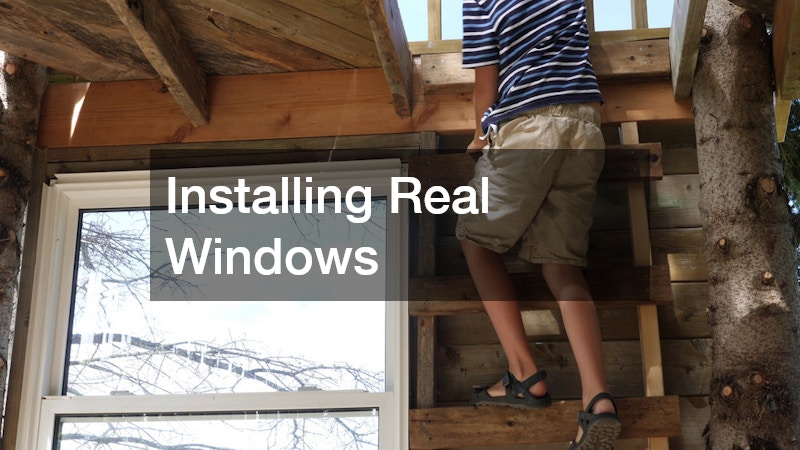
Adding real windows can transform a treehouse from a simple platform into a comfortable retreat. Windows bring in light, improve ventilation, and make the space usable in a wider range of weather conditions.
Many homeowners opt for impact windows due to their durability and performance. These windows are designed to withstand strong winds and debris, making them a practical choice for elevated structures.
Installing windows also influences the overall design. Window placement affects views, airflow, and privacy, so it’s worth planning carefully.
With the right windows, a treehouse becomes a space that feels finished and inviting rather than temporary.
Repurposing a Wooden Fence
Creative reuse of materials adds character and sustainability to a treehouse project. A wood fence can often be repurposed into railings, wall panels, or decorative accents.
Using reclaimed materials reduces waste and adds a unique, weathered look that blends naturally with outdoor surroundings. It also helps manage costs without sacrificing quality.
Before repurposing, it’s important to inspect the fence for damage or rot. Sound materials can be cleaned and refinished for a fresh appearance.
Repurposing encourages creativity and gives the treehouse a story that feels personal and intentional.
Installing a Fence Around Your Treehouse
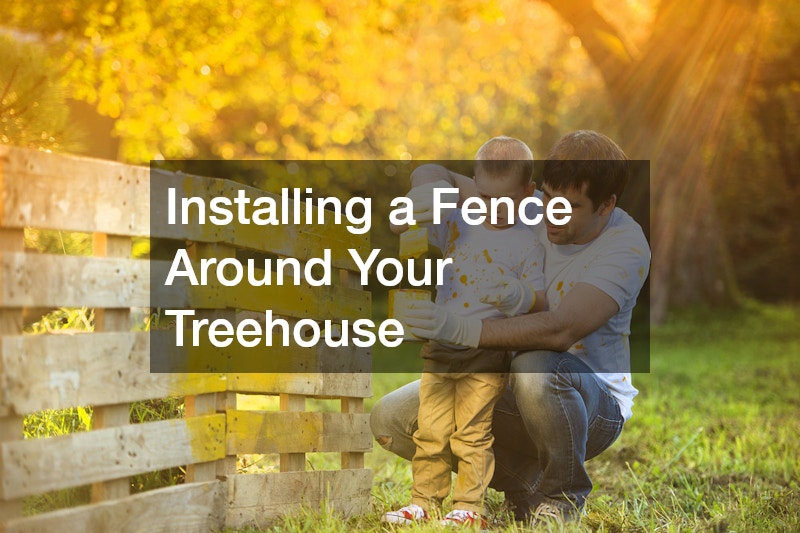
Safety is a top priority, especially if the treehouse will be used by children. Installing a perimeter fence or railing provides peace of mind and defines the boundaries of the space.
A local fence installer can recommend designs that balance safety with style. Proper spacing, height, and materials all contribute to a secure environment.
Fencing also adds visual structure to the treehouse. Thoughtfully designed railings enhance the overall look while serving a practical purpose.
Professional installation helps confirm that the fence meets safety expectations and complements the rest of the build.
Repurposing a Garage Door
For enclosed treehouses, doors play an important role in security and comfort. Repurposing garage doors or their components can offer a creative solution.
Panels, hardware, or framing from garage doors can be adapted to fit the scale of a treehouse. This approach adds character and reduces the need for new materials.
Repurposing also allows for customization. With a bit of creativity, these materials can be transformed into doors that feel both functional and unique.
Thoughtful reuse supports sustainability while giving the treehouse a distinctive design element.
Building the Treehouse of Your Dreams
Bringing all these elements together is where the vision truly takes shape. A well-planned treehouse reflects careful choices made at every stage, from tree care to finishing details.
As construction progresses, it’s helpful to revisit the original purpose of the space. Keeping that goal in mind guides decisions and helps resolve challenges along the way.
Flexibility is also important. Unexpected adjustments are part of any building project, and a willingness to adapt keeps the experience positive.
The result is more than a structure. It’s a space designed for connection, creativity, and enjoyment.
A thoughtfully built treehouse becomes a backdrop for everyday moments and special memories alike. It grows with the family and evolves alongside the landscape.
By investing time in planning and working with the right professionals, homeowners create a feature that feels intentional and lasting.
Maintenance and care continue after construction, reinforcing the relationship between the treehouse and its natural setting.
In the end, the most successful treehouses are those built with respect for the trees, the land, and the people who will use them. With careful planning, the treehouse of your dreams can become a meaningful and enduring part of your backyard.
A treehouse project often changes how homeowners view their outdoor space. What was once just part of the yard becomes a destination, encouraging more time outside and a deeper appreciation for the surrounding environment. This shift can make the backyard feel larger, more purposeful, and more connected to everyday life.
The planning process itself often proves just as rewarding as the finished structure. Thoughtfully coordinating tree care, land preparation, and construction helps homeowners feel confident in each decision. That confidence carries through the build and results in a space that feels intentional rather than improvised.
A well-built treehouse can also adapt over time. As needs change, the structure can be updated with new features, refreshed materials, or added safety improvements. Designing with flexibility in mind makes future updates easier and keeps the space relevant for years to come.
Another benefit of careful planning is reduced maintenance stress. When trees are healthy, materials are chosen wisely, and professional guidance is used where needed, ongoing upkeep becomes more manageable. This allows homeowners to enjoy the space rather than constantly worry about repairs.
Treeely placed windows, fencing, and repurposed materials contribute to comfort as well as character. These details help the treehouse feel like a natural extension of the home rather than a temporary structure. Small design choices often have a lasting effect on how the space is used and enjoyed.
Treehouses also create opportunities for shared experiences. Whether it’s quiet time, play, or gatherings with friends and family, the space becomes a setting for meaningful moments. These experiences often outlast the materials used to build the structure itself.
Respecting the trees and landscape throughout the project reinforces a balance between creativity and responsibility. When construction works with nature instead of against it, the result feels more harmonious and sustainable over the long term.
Ultimately, a thoughtfully planned and carefully built treehouse offers more than visual appeal. It adds function, fosters connection, and becomes a lasting part of the home’s story. With patience and attention to detail, the treehouse can continue to provide enjoyment well into the future.
