Landscape mulch plays a crucial role in enhancing the aesthetics and health of your garden space. By covering the soil with a suitable mulch, you help in moderating the temperature around the surface, retaining soil moisture, and reducing water loss caused by evaporation. Organic mulches decompose over time, adding vital nutrients back into the soil, which improves its fertility and structure.
Additionally, landscape mulch helps in suppressing weed growth by blocking sunlight, which prevents their seeds from germinating. It creates a more pristine and visually appealing garden by giving it a neat and well-maintained look.
Available in a variety of types such as wood chips, straw, bark, and even shredded leaves, it’s essential to select the type that best suits your garden requirements. Each type of mulch serves different functions, and understanding their properties can help you make an informed choice. Wood chips, for example, are long-lasting and decompose slowly, making them perfect for garden paths or around permanent plants. Straw is lightweight, cost-effective, and excellent for vegetable gardens, while bark has a pleasant aroma and improves the soil’s organic composition as it breaks down. Learning about these options can lead to more successful gardening endeavors.
Beyond its practical benefits, landscape mulch also contributes to the environment by offering a habitat for beneficial organisms. Earthworms, which aerate the soil and boost nutrient cycles, thrive under mulch. Furthermore, mulch aids in erosion control by protecting soil from wind and rain forces, thus maintaining its integrity. It also enriches ecosystems by providing a haven for fungi and insects essential for plant life cycles. While landscape mulch is highly beneficial, ensuring its correct application is key to maximizing its advantages.
How to Apply Landscape Mulch Correctly
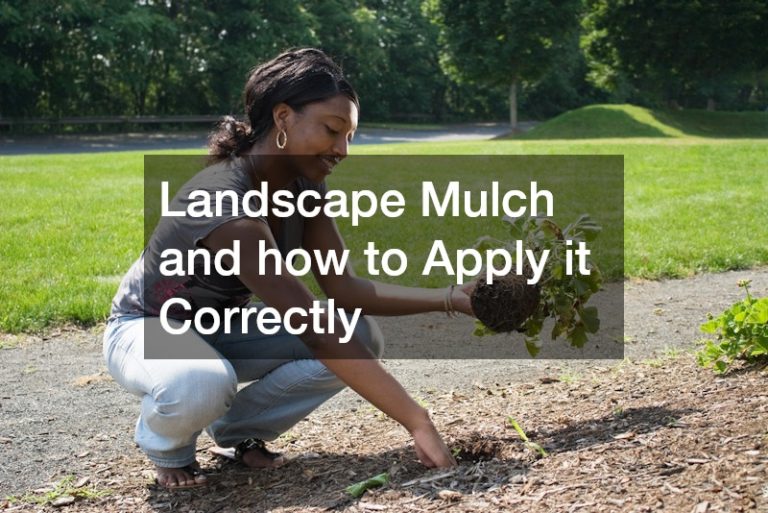
Applying landscape mulch correctly can make all the difference in reaping its full benefits. Before you begin, the first step is to prepare your garden bed by removing weeds and debris to ensure the mulch has direct contact with the soil. An effective method is to lay down a layer of landscape fabric or cardboard between the soil and mulch to further inhibit weed growth. Always edge your garden beds to prevent mulch from spreading onto areas where it’s unwelcome, keeping the garden neat and tidy.
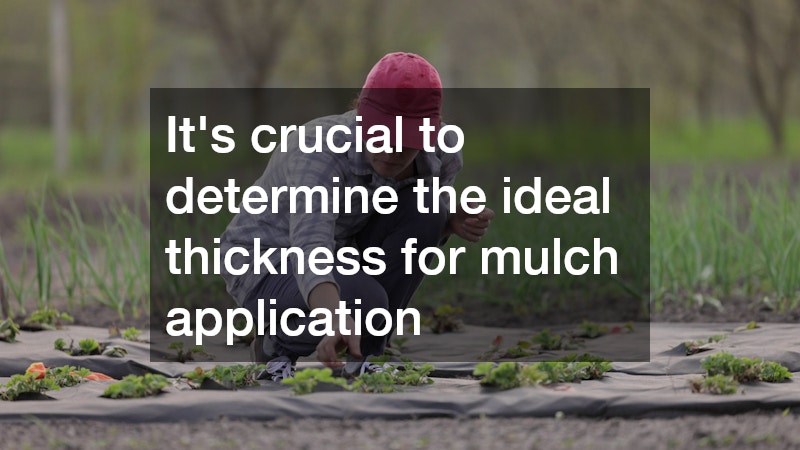
It’s crucial to determine the ideal thickness for mulch application, generally varying between 2 to 4 inches depending on the mulch type and purpose. Applying mulch too thin may not effectively suppress weeds or retain moisture, while too thick a layer can suffocate plant roots and hinder soil oxygenation. Start by spreading an even layer across the designated area, ensuring not to pile it up against plant stems, which could lead to decay. Maintain a mulch-free zone around the plant base to allow for air circulation and prevent rot.
Finally, after applying the mulch, monitor your garden regularly to maintain its efficacy. Replenish the mulch as needed, usually annually or biannually, to continue enjoying its benefits. Settling mulch can form a dense mat, so it’s beneficial to occasionally stir it to maintain aeration and break up any compacted pieces. Be mindful of water drainage patterns and ensure no blocked pathways can pool water around plants, which may lead to excessive moisture and root rot. Proper care and upkeep help harness the multitude of benefits mulch provides.
Common Mistakes to Avoid When Using Landscape Mulch
Despite its simplicity, applying landscape mulch incorrectly is a common gardening error. One frequent mistake is choosing the wrong type of mulch for the intended use. For instance, fresh wood chips can deplete nitrogen from the soil, adversely affecting plant growth, while compacted straw might not offer sufficient insulation in cold climates. Evaluating carbon-to-nitrogen ratios and absorption efficiencies of different mulch materials can guide you in making the right choice for your garden’s needs.
Another mistake lies in disregarding the maintenance aspect post-application. Neglecting to top up mulch layers allows weeds to thrive and reduces the protective benefits for plant bases. Mulch not only provides essential ground cover but also requires attention to maintain its layered effects. Unattended mulch can harbor pests if left unchecked, damaging plants and altering soil conditions unfavorably. Regular inspections will aid in catching such issues early and maintaining an attractive, healthy garden environment.
Excessive mulch application is a chronic error most garden enthusiasts face. Known as “volcano mulching,” it refers to piling mulch too deeply around trees or shrubs, leading to poor growth and increased plant mortality. This practice traps moisture and fosters disease, while roots deprived of oxygen struggle to thrive. Recognizing that moderation is key, it’s advisable to research plant-specific needs for mulch depth and avoid oversaturating the soil. Correcting these mistakes can lead to a thriving landscape visually and ecologically.