
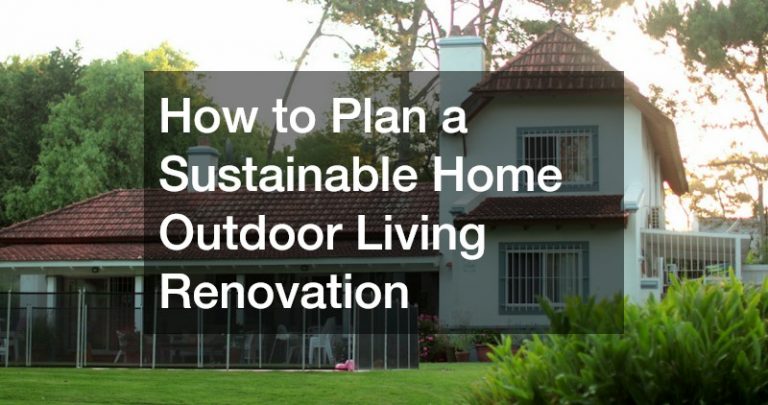
Renovating an outdoor living space is one of the most rewarding home improvement projects you can undertake. It expands your usable living area, connects your home with nature, and creates a functional retreat for relaxation and entertainment. However, conventional outdoor renovations often rely on resource-heavy materials, excessive water consumption, and chemical-heavy maintenance routines that can strip local ecosystems of their vital nutrients.
Adopting a sustainable approach to your outdoor renovation transforms your yard into a low-impact, highly resilient environment. Sustainable renovation focuses on long-term durability, water conservation, soil preservation, and minimal waste generation. By viewing your outdoor footprint as an interconnected living system rather than a static design project, you can build a stunning, functional space that actively supports the local environment while lowering your utility and maintenance costs.
Assessing Your Site and Establishing Sustainable Goals

Before you even think about purchasing materials or breaking ground on your landscape, you must initiate your eco-friendly renovation with a comprehensive site analysis. Each piece of land is distinctive, possessing its own microclimates, unique drainage patterns, and varying soil compositions. Appreciating how fundamental elements like water, wind, and sunlight interact with your property is crucial. It enables you to plan an outdoor area that harmonizes with nature rather than undermines it.
Begin the process by meticulously tracking sun exposure across your yard throughout different times of the day. Areas that receive direct and prolonged sunlight present the ideal conditions for employing passive solar heating strategies, harnessing solar energy, and cultivating fruit or vegetable gardens. These sun-soaked zones can become vibrant centers for sustainable energy collection and food production. Meanwhile, analyze the shaded regions, which naturally offer cooling spots for potential patio areas and provide an ideal environment for planting delicate native understory plants that thrive without significant sunlight.
Additionally, observe your property’s behavior during intense rainstorms to identify natural runoff routes, low areas where water tends to pool, and zones susceptible to high erosion. Recognizing these hydrological patterns at an early stage ensures that your design incorporates efficient stormwater management solutions. Such solutions may include creating rain gardens, constructing dry creek beds, or installing underground cisterns. With foresight, you can mitigate water-related issues, leading to a more sustainable and ecologically sensitive landscape.
Once you have a firm understanding of the physical configuration of your land, it’s time to define your budget and functional requirements, all through a lens of sustainability. Consider how your outdoor living spaces will interface with your primary residence. This integration should prioritize ecological harmony. When envisioning structural additions like covered decks, outdoor kitchens, or pergolas, it is beneficial to collaborate with builders who specialize in sustainable practices. Working with eco-minded, sustainable home builders ensures that any structural additions align with green building standards. These builders utilize non-toxic, responsibly harvested materials, guaranteeing that your project is both environmentally friendly and health-conscious.
For more complex projects that involve significant land grading, structural engineering, or require municipal zoning reviews, the expertise of a qualified architect becomes invaluable. These professionals help convert your landscape vision into a precise structural blueprint. They conduct evaluations to ensure compliance with building codes, optimize the orientation of structures for passive energy efficiency, and specify sustainable materials for building that are durable and resistant to weathering. Importantly, the prescribed materials are chosen because they will not degrade into the local soil, preventing environmental harm.
Responsible Demolition and Efficient Site Preparation
Once your planning phase is complete, physical work on the property begins with site clearing and demolition. Traditional demolition processes often generate massive amounts of waste, sending tons of concrete, treated lumber, and organic debris straight to local landfills. A sustainable renovation flips this dynamic by prioritizing deconstruction, salvage, and responsible recycling.
Before removing existing structures, audit the materials currently on your site. Intact bricks, stone pavers, and structural timbers can frequently be cleaned and repurposed for retaining walls, walkways, garden bed borders, or fire pit surrounds. Reusing existing on-site materials dramatically reduces the carbon footprint associated with manufacturing and transporting new products to your home. Organic waste, such as branches, leaves, and non-invasive plant matter, should be chipped or set aside for composting rather than discarded.
For non-reusable debris, such as damaged asphalt, rusted metal fixtures, or deteriorating synthetic materials, proper sorting is essential. Renting a dedicated dumpster rental provides a centralized location to separate clean masonry, scrap metals, and untreated wood from mixed waste. Many waste management facilities now offer specialized sorting services, diverting heavy masonry and recyclable materials away from landfills and into regional crushing facilities where they are repurposed into base materials for roadwork and construction.
Beyond waste management, preserving soil integrity during site preparation is vital. Avoid running heavy machinery across wet soil, as compaction crushes soil pore space, killing beneficial microorganisms and preventing water infiltration. Mark off sensitive planting areas and establish clear traffic lanes for equipment to protect your soil structure from irreversible damage.
Protecting Existing Canopy and Managing Tree Health
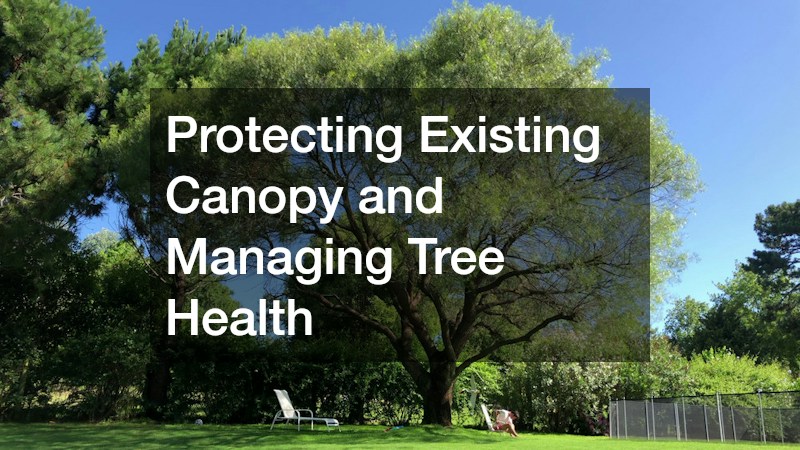
Mature trees are among the most valuable assets on any residential property. They provide immediate shade, lower surrounding ambient temperatures through evapotranspiration, intercept thousands of gallons of rainwater annually, and offer critical habitat for native birds and pollinators. Protecting mature trees during an outdoor renovation requires proactive management long before construction crews arrive.
During construction, a tree’s root system is exceptionally vulnerable. A tree’s active feeder roots reside primarily within the top twelve to eighteen inches of soil and extend far beyond the outer reach of its branch canopy, an area known as the critical root zone. Compacting soil within this zone, severing roots during trenching, or altering the soil grade around the trunk can slow-kill a mature tree over several seasons. Erecting sturdy temporary fencing around the root zones of all retained trees ensures that equipment, materials, and heavy foot traffic do not cause permanent root damage.
Before making any decisions about removing or heavily pruning mature trees, hire a certified arborist to conduct a comprehensive health assessment. An expert can evaluate structural stability, identify hidden diseases, and offer precise guidance on which trees can safely be integrated into your new layout.
When structural adjustments or hazard removals are necessary, working with professional tree services ensures that branch pruning, crown thinning, or targeted removals are executed safely and without damaging surrounding vegetation. Rather than discarding the removed timber and branches, request that the wood be processed into wood chips right on site. Freshly chipped local hardwood provides a rich, natural mulch that retains soil moisture, suppresses weeds, and enriches the soil as it decomposes over time.
Eco-Friendly Material Sourcing and Soil Building
The materials you choose for your hardscaping and planting beds dictate the long-term environmental footprint of your outdoor living space. Sustainable hardscaping prioritizes local, recycled, and permeable options that reduce heat retention and allow rainwater to naturally filter back into local aquifers.
Conventional hard surfaces like poured concrete or asphalt create impermeable barriers that accelerate rainwater runoff, causing soil erosion and overburdening municipal storm drains. Replacing standard hardscapes with permeable pavers, gravel, crushed granite, or flagstone set over a porous aggregate base allows water to pass directly through the surface into the earth below. When selecting decking materials, prioritize certified sustainably harvested timber or high-density composite decking manufactured from recycled post-consumer plastics and reclaimed wood fibers.
Planting beds require equal attention to detail when sourcing materials. Soil is the living foundation of any healthy landscape, and rebuilding soil health naturally is essential for long-term plant survival. Sourcing high-grade landscape supplies from reputable local vendors ensures that your topsoils, soil amendments, and organic mulches are free from synthetic chemicals, weed seeds, and industrial contaminants. Bulk compost enriched with beneficial microbes improves soil structure, enhances moisture retention, and eliminates the need for petroleum-based synthetic fertilizers.
Equally important are the everyday garden supplies you choose for installing and maintaining your vegetative areas. Opt for long-lasting, professional-grade drip irrigation systems that deliver water directly to plant root zones with minimal evaporative loss. Incorporate smart irrigation controllers that monitor real-time weather forecasts to prevent automatic watering during rain events. Investing in durable, high-quality tools made from recycled metals and sustainably sourced wood reduces equipment turnover and keeps plastic waste out of the refuse stream.
Principles of Sustainable Backyard Layout and Design
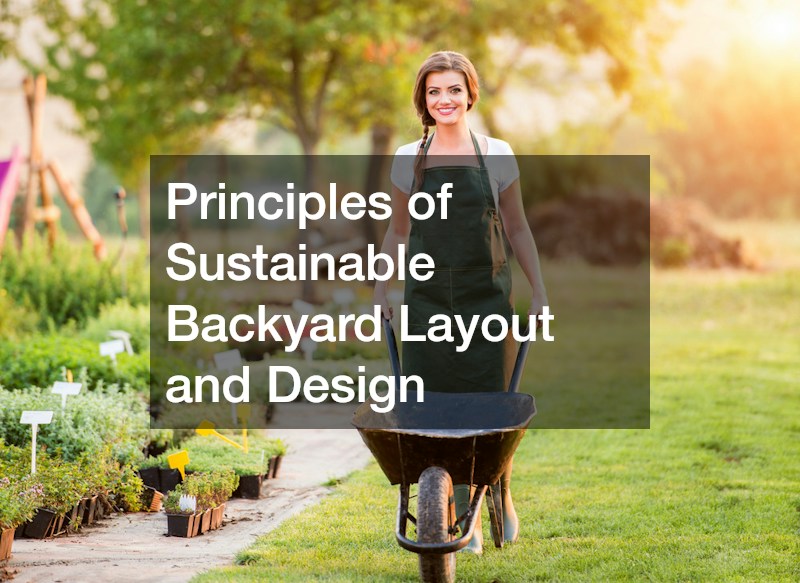
Designing a sustainable landscape requires harmonizing human utility with natural ecological functions. Rather than forcing a high-maintenance, uniform aesthetic onto your property, an eco-conscious plan works alongside native conditions to create a self-sustaining ecosystem.
The centerpiece of functional landscape planning is hydrozoning—the practice of grouping plants together according to their specific light and water requirements. By placing drought-tolerant native perennials in exposed, dry areas and moisture-loving species in natural low spots, you prevent overwatering and ensure optimal plant health. Replacing expansive, non-native turf grass lawns with native groundcovers, meadow grasses, or clover drastically cuts down on the energy, time, and water required to maintain your property.
Achieving a harmonious layout relies on thoughtful backyard design principles that blend hardscape elements with living landscapes. Position outdoor dining areas, patios, and outdoor kitchens where they benefit from natural shade trees or prevailing summer breezes, reducing the need for artificial cooling or heating amenities. Integrate rain gardens filled with deep-rooted native perennials near patio edges or gutter downspouts to capture, filter, and absorb stormwater runoff naturally.
Plant selection should focus heavily on native species that have naturally co-evolved with local soil types, rainfall patterns, and climate extremes. Native plants require significantly less water, fertilizer, and pest intervention once established compared to exotic ornamental species. Furthermore, native flora provides essential food sources, nectar, and shelter for local wildlife, turning your renovated outdoor space into a vital haven for bees, butterflies, and songbirds.
Long-Term Maintenance and Regional Pest Management
A truly sustainable outdoor space is defined not just by how it is constructed, but by how it is maintained over the years. Traditional landscape upkeep often relies heavily on gas-powered equipment, synthetic chemical fertilizers, and heavy broad-spectrum pesticides, all of which undermine the ecological benefits of your renovation.
Transitioning to organic landscape maintenance starts with your turf management strategy. If you choose to retain small, functional areas of lawn for children or pets, adopt cultural practices that foster deep root growth. Set mower blades high to shade the soil and retain moisture, and leave grass clippings on the lawn to return nitrogen naturally to the soil. Partnering with a forward-thinking lawn care company that uses battery-electric equipment, applies organic soil conditioners, and employs core aeration helps keep your lawn healthy without contaminating local runoff.
In regions with warm, humid summers, pest control requires a balanced, environmentally sensitive strategy. Managing moisture is the single most effective way to limit unwanted insect populations around your outdoor living areas. Ensure proper grading around hardscapes, eliminate standing water in saucers or containers, and clean gutters regularly to minimize breeding grounds for mosquitoes and wood-destroying organisms.
When insect challenges arise, working with a specialized provider for Georgia pest control or regional eco-conscious pest services allows you to target problem areas safely. Professional ecological pest management utilizes Integrated Pest Management techniques, focusing on habitat modification, biological controls, and botanical or micro-encapsulated treatments. These targeted methods effectively manage nuisance pests like mosquitoes, fleas, and ticks without harming beneficial pollinators, earthworms, or surrounding soil microfauna.
Cultivating a Thriving Sustainable Outdoor Space
Transforming your outdoor space through a sustainable renovation is an investment that pays continuous dividends. By taking time to evaluate your site’s natural characteristics, reusing resources, selecting local materials, and working with nature-aligned professionals, you create an outdoor environment that grows richer and more resilient each year.
A sustainably renovated yard becomes more than just an aesthetic upgrade for your home; it acts as a functional ecological asset. It conserves fresh water, improves soil structure, reduces home heating and cooling loads, supports native biodiversity, and lowers ongoing maintenance costs. By building with the future in mind, your outdoor living area will serve as a beautiful, healthy, and restorative space for your family and community for decades to come. If you have any more questions, contact a local sustainable home builder.
