

Most homeowners think about landscaping in terms of curb appeal, not structural risk. But the trees, mulch, grading, and garden beds around your house are in constant contact with your foundation, siding, pipes, and roofline. Left unchecked, these everyday choices can quietly lead to expensive repairs down the road. Understanding the hidden connections between your yard and your home’s systems can save you thousands of dollars and a lot of stress.
Tree Roots Near Foundations and Sewer Lines
Planting trees too close to your house might seem harmless when they’re young, but mature root systems can extend two to three times the height of the tree in search of water. These roots can crack foundations, lift sidewalks, and infiltrate underground pipes through tiny joints or hairline cracks. Once inside a pipe, roots grow aggressively toward the nutrient-rich water, eventually causing blockages or full collapses. If you notice slow drains or gurgling toilets throughout the house, a plumber can run a camera inspection to check whether roots have invaded your sewer line before the problem worsens.
Choosing the right tree species and planting distance from day one prevents most of these issues entirely. Slow-growing trees with less invasive root systems are a safer bet near structures, while fast-growing varieties like willows and poplars should be kept far from the house.
- Keep large trees at least 20 feet from your foundation and sewer lines
- Research root spread before planting anything within 15 feet of your home
- Watch for soil heaving or cracks in nearby concrete as early warning signs
- Schedule periodic sewer line inspections if you have mature trees on your property
Mulch and Bark Placement Against Siding

Many homeowners pile mulch or bark dust directly against the base of their house without realizing it creates a moisture trap. Organic bark dust holds water against siding and foundation walls, which can lead to wood rot, paint damage, and even mold growth over time. It also creates a cozy, humid environment that attracts insects looking for easy access into your home. Keeping a gap of several inches between mulch beds and your siding allows air to circulate and keeps moisture from wicking into vulnerable building materials.
The type of mulch matters too, since some organic materials decompose faster and retain more moisture than others. Rock or gravel borders along the foundation can serve as a buffer zone, reducing direct contact between organic material and your home’s exterior.
- Leave a 6 to 12 inch gap between mulch and siding
- Replace bark dust that has become compacted or soggy
- Avoid piling mulch higher than the bottom edge of siding
- Consider a gravel strip as a moisture barrier near foundation walls
Dense Shrubs and Pest Pathways

Thick, overgrown shrubbery planted against your house doesn’t just block light and trap moisture, it also creates a direct bridge for pests to reach your siding and windows. Ticks in particular thrive in shaded, humid vegetation and can be carried into your yard by deer, rodents, and even your own pets. Effective tick control often starts with simple landscaping adjustments, like trimming back brush and creating a clear buffer zone between wooded areas and play spaces. Removing leaf litter and keeping grass mowed short also reduces the humid microclimates ticks need to survive.
Beyond ticks, dense plantings against exterior walls give other pests a hidden highway straight to your home’s weak points, including gaps around utility lines or vents. Spacing shrubs a few feet from the house and trimming them regularly removes this cover and makes pest entry far more difficult.
- Create a three-foot mulch or gravel buffer between lawns and wooded areas
- Keep shrubs trimmed and away from direct contact with siding
- Remove leaf piles and brush regularly during warmer months
- Treat pet bedding and outdoor furniture if pets spend time in shaded yard areas
Grading and Water Drainage Around the House
The slope of your yard plays a huge role in whether water drains away from your home or pools against the foundation. Improper grading is one of the most common causes of basement leaks and crawl space moisture, and it’s often the result of landscaping changes made without considering drainage. A slope of at least six inches over the first ten feet from your house is generally recommended to keep water moving in the right direction, a ratio often called the “6-10 rule” among builders. Raised garden beds, new patios, or decorative berms can unintentionally redirect water toward your foundation instead of away from it. Even mulch piled too high against the siding can act as a dam, trapping moisture where your walls meet the ground. Over time, this leads to hydrostatic pressure buildup against basement walls, which can cause cracking, efflorescence, or bowing in severe cases. Negative grading — where the ground slopes toward the house rather than away from it — is especially common in older homes where soil has settled over the years. Adding a few inches of compacted soil along the foundation perimeter can often correct minor issues without a full landscaping overhaul. For more significant problems, a French drain, swale, or dry creek bed can intercept water and channel it safely away from vulnerable areas. It’s also worth checking how water behaves during a heavy rain before making any landscaping changes. Watching where puddles form, or where water rushes fastest, can reveal low spots or channels you’ll need to address before installing new beds, walkways, or retaining walls.
Standing water near the foundation doesn’t just risk basement flooding, it also softens soil and can lead to uneven settling over time. The general rule of thumb is that the ground should slope away from your house at a rate of about 6 inches over the first 10 feet. If you’re not sure whether your yard meets that standard, a quick visual check after rainfall can tell you a lot. If you’ve recently added hardscaping, patios, or raised beds, it’s worth checking how water behaves during a heavy rain to confirm it’s still flowing away from the house. New structures can unintentionally redirect runoff toward your foundation instead of away from it, especially if they weren’t graded properly during installation. Watch for warning signs like pooling water that lingers for more than a few hours, soggy patches near the foundation, or mulch that consistently washes away in the same spot. Gutters and downspouts play a role here too, since they should discharge water at least 4 to 6 feet away from the house rather than dumping it right at the base. Left unaddressed, poor drainage can slowly erode soil support under footings, contributing to cracks, shifting, or even basement seepage over time.
- Check grading after any major landscaping project — soil should slope away from the foundation at least 6 inches over the first 10 feet
- Install downspout extensions if water pools near the foundation, directing runoff at least 5-6 feet away from the house
- Watch for soggy spots, standing water, or erosion patterns after storms, especially along the foundation and low points in the yard
- Look for signs of damage indoors, too, like musty basement smells, peeling paint, or cracks in the foundation wall
- Consider a French drain system for persistent drainage problems that grading and downspouts alone can’t fix
- Consult a landscaping or drainage professional if water issues persist, since improper slope or clogged drains often need expert diagnosis
Irrigation Systems and Hidden Leaks
Automatic sprinkler systems are convenient, but poorly positioned heads can spray water directly onto siding, windows, or foundation walls every single day. Over months and years, this constant moisture exposure can cause wood rot, efflorescence on brick, and even seep into basements through small cracks. It’s worth walking your yard during a watering cycle to see exactly where the spray lands and adjust heads that are aimed too close to the house. Drip irrigation near foundation plantings is often a smarter choice since it delivers water directly to roots without overspray.
- Redirect or replace sprinkler heads spraying against the house
- Check irrigation timers seasonally to avoid overwatering
- Inspect for mineral buildup or stains on siding from sprinkler contact
- Use drip lines for plantings directly next to foundation walls
Septic System Placement and Landscaping Conflicts
If your property relies on a septic system, your landscaping choices carry extra weight. Planting trees or large shrubs directly over the drain field can cause roots to invade pipes and disrupt the delicate balance of soil absorption the system depends on. Heavy foot traffic, parked vehicles, or compacted soil from hardscaping projects can also compress the drain field and reduce its ability to process wastewater properly. Routine septic pumping helps the system handle normal use, but no maintenance schedule can compensate for a drain field that’s been damaged by poor landscaping decisions.
Before planting anything new in your yard, it’s worth locating your septic tank and drain field boundaries so you can plan around them. Shallow-rooted grass is typically the safest ground cover option directly over these areas.
- Avoid planting trees or deep-rooted shrubs over the drain field
- Keep vehicles and heavy equipment off the septic system area
- Mark your tank and drain field location for future landscaping reference
- Schedule regular inspections if you notice slow drains or soggy patches in the yard
Overhanging Branches and Roof Damage
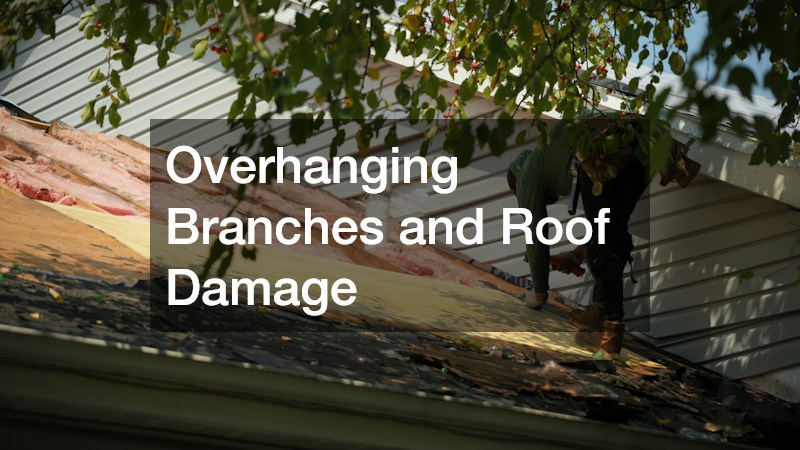
Trees that hang over your roofline might provide nice shade, but they also drop leaves, needles, and branches that accumulate in gutters and valleys. This debris traps moisture against shingles, accelerating wear and creating conditions for moss and algae growth. Falling branches during storms can also crack or puncture roofing material, leading to leaks that aren’t always immediately visible. Homeowners who neglect this risk often find themselves facing a premature roof replacement years before it should have been necessary.
Trimming back branches so they don’t touch or overhang the roof reduces debris buildup and storm damage risk significantly. It’s also worth having your roof inspected after major storms if you have large trees nearby, since impact damage isn’t always obvious from the ground.
- Trim branches at least 6 feet away from the roofline
- Clean gutters more frequently if you have overhanging trees
- Inspect shingles for granule loss or damage after storms
- Remove dead or weak limbs before they become a falling hazard
Patio and Structure Placement Near the Home

Outdoor living spaces have become increasingly popular, but where and how you build them matters more than most people realize. Patio covers installed without proper attachment to the house or without accounting for drainage can direct water into siding or create pooling right at the foundation line. Poorly planned hardscaping can also block ventilation around crawl spaces, trapping moisture underneath the home and encouraging wood rot or mold. Before adding any permanent structure, it’s worth consulting plans that account for both water flow and airflow around your home’s perimeter.
- Ensure patio structures slope water away from the house
- Leave clearance around crawl space vents when building nearby
- Check that attached structures have proper flashing where they meet the house
- Plan drainage before pouring concrete or installing pavers
Landscaping That Invites Wood-Destroying Pests
Mulch, woodpiles, and dense ground cover placed against your home don’t just affect moisture, they also create ideal conditions for wood-destroying insects. Termite control becomes significantly more difficult once a colony has established itself near your foundation, especially if wood-to-soil contact gives them a direct path inside. Stacking firewood against exterior walls or leaving old tree stumps in the yard are common invitations for these pests that homeowners often overlook. Regular inspections and eliminating wood contact with soil are simple steps that go a long way toward prevention.
- Store firewood at least 20 feet from the house and off the ground
- Remove tree stumps and dead wood from the yard promptly
- Watch for mud tubes on foundation walls, a common termite indicator
- Schedule annual inspections if you live in a high-risk region
Landscaping Impacts on Home Comfort Systems
It’s easy to forget that outdoor units for heating and cooling systems need clearance to function properly. Dense plantings or overgrown bushes around an outdoor condenser unit restrict airflow, forcing the system to work harder and wear out faster. This added strain often leads to more frequent calls for AC repair during peak summer months when the unit is already under heavy demand. Similarly, a heating company technician will tell you that blocked vents or landscaping too close to exterior heating components can create inefficiencies and safety concerns during colder months.
Keeping a clear radius of at least two feet around outdoor units allows proper airflow and makes maintenance access much easier. It’s a small landscaping consideration that pays off in lower energy bills and fewer unexpected repair calls.
- Maintain at least 2 feet of clearance around outdoor HVAC units
- Trim plants that shed leaves or debris near vents and units
- Schedule seasonal maintenance checks before extreme weather hits
- Avoid building structures or fences that trap heat around outdoor units
Your landscaping decisions ripple outward into nearly every system your home depends on, from plumbing and roofing to heating and pest prevention. Taking a little time to evaluate tree placement, drainage patterns, and plant proximity to your house can prevent costly surprises down the road. Walk your property this weekend with these hidden risks in mind, and address small issues now before they become major repairs later.
