

Transforming a backyard into a functional sanctuary requires thoughtful design that mirrors the comfort and personal style found inside the home. Every residential outdoor footprint, regardless of size, holds immense potential to become an inviting retreat for relaxation, entertainment, and family gatherings. By approaching the backyard as an open-air series of living rooms, homeowners can seamlessly expand their usable footage while cultivating an environment that encourages outdoor living.
-
Survey the natural movement patterns of your household to determine where foot traffic flows naturally.
-
Map out sunlight exposure throughout the day to position dining and lounge areas effectively.
-
Factor in prevailing wind directions when planning permanent seating or open fire features.
Planning Cohesive Transition Zones
Creating a natural progression from indoor rooms to outdoor areas is essential for establishing visual harmony. Aligning interior design motifs with patio furnishings, architectural elements, and planting beds ensures the transition feels intentional rather than fragmented. Utilizing large sliding doors, matching flooring tones, and continuous lighting schemes further softens the boundary between interior comfort and outdoor liberation.
-
Extend interior color palettes onto adjoining exterior walls and outdoor decorative accents.
-
Select exterior flooring materials that closely mimic the texture and shade of adjacent indoor floors.
-
Position indoor furniture facing outwards toward key focal points in the surrounding landscape.
Defining Distinct Activity Zones
A well-structured yard caters to various needs simultaneously, providing space for lively dining, quiet reading, and active recreation. Establishing dedicated areas using structural boundaries, plant borders, or ambient lighting allows multiple family members to enjoy the outdoors together without crowding. Proper flow between these distinct areas ensures the yard remains easy to navigate during everyday use or large weekend gatherings.
Structural Foundations for Outdoor Beauty

Building a long-lasting, attractive outdoor space begins right beneath your feet. Ground surfaces set the tone for the entire landscape, serving as the backdrop for furniture, vegetation, and architectural features. Investing in high-quality materials and professional construction ensures that these groundwork elements remain stable, visually appealing, and safe for family use across changing seasons.
-
Calculate load capacity requirements based on expected vehicle weight and foot traffic density.
-
Ensure adequate slope gradient away from the home foundation to prevent standing water accumulation.
-
Research regional climate factors to select surface materials that tolerate local temperature extremes.
Upgrading Entryways and Vehicle Paths
The driveway serves as one of the very first visual impressions of a residential property, making its material choice and structural integrity paramount. A concrete driveway offers unmatched durability, custom finishing options, and a clean, sleek appearance that complements both modern and classic architectural styles. Modern installations can incorporate stamped patterns, integrated borders, or custom stains to elevate standard gray slabs into custom entry features.
Repairing and Enhancing Existing Asphalt
For homes featuring traditional asphalt surfaces, maintaining smoothness and rich black coloration is key to preserving curb appeal. Over time, exposure to sunlight, freeze-thaw cycles, and vehicle weight can cause micro-fissures and fading. Applying sealcoating acts as a protective shield against moisture penetration, oil spills, and ultraviolet degradation, effectively extending the lifespan of the pavement while refreshing its dark, uniform finish.
-
Clear all debris and pressure wash the surface thoroughly before applying any protective treatments.
-
Fill all deep surface cracks with rubberized cold-pour or hot-pour crack fillers prior to sealing.
-
Allow at least twenty-four to forty-eight hours of drying time before driving vehicles onto the surface.
Building Smooth Modern Entrances
When constructing a completely new driveway or replacing an aged, cracked surface, professional technique makes all the difference in long-term performance. Choosing an asphalt driveway installation provides a smooth, cost-effective, and resilient surface capable of handling heavy daily traffic. Proper sub-base preparation and compaction during install prevent premature settling, rutting, and edge cracking over the life of the surface.
Elevating Ground Levels and Retention

Sloped yards and uneven terrain can limit usable living space and create severe erosion challenges during heavy rainstorms. Incorporating strategic earth retention solutions allows homeowners to flatten sloping ground, create tiered garden beds, and add dramatic visual interest to their properties. Beyond pure aesthetics, proper retention protects structural foundations and prevents unwanted soil movement.
-
Identify key drainage paths across your terrain to avoid blocking natural groundwater routes.
-
Evaluate soil stability and composition to determine necessary support structures for sloped areas.
-
Establish clear terracing boundaries that maximize functional flat space for outdoor activities.
Stabilizing Slopes and Preventing Erosion
Unmanaged slopes can lead to topsoil washouts, muddy patios, and foundation damage over time. Working with a local retaining wall service allows property owners to safely re-engineer difficult topography into functional, terraced terrain. These engineered walls redirect runoff, stabilize shifting earth, and create level planting zones that were previously impossible to cultivate.
Selecting Durable Stone and Block Materials
The choice of retaining material dictates both the lifespan and the visual character of the structure. Manufactured concrete blocks offer exceptional structural stability and uniform interlock systems, while natural fieldstone and granite boulders supply timeless, organic charm. Matching the wall material to nearby home features ensures the retention structure complements the broader architectural theme.
-
Opt for crushed gravel base layers to facilitate proper sub-surface drainage behind stone units.
-
Install continuous perforated drain pipes behind retaining walls to relieve lateral hydrostatic pressure.
-
Choose block colors that naturally match or subtly contrast with the primary exterior house siding.
Crafting Custom Hardscape Foundations

Hardscaping forms the structural backbone of any successful outdoor sanctuary, offering permanent surfaces for cooking, dining, and gathering. These solid elements frame the organic components of the yard, balancing soft lawns and garden beds with durable masonry, stone, and wood structures.
-
Measure total square footage carefully to balance hard surface areas with open green spaces.
-
Select slip-resistant stone or paver textures for high-traffic paths and damp outdoor dining zones.
-
Verify local building codes and property line setback requirements prior to starting heavy masonry work.
Partnering with Masonry Specialists
Complex hardscaping projects—such as multi-tiered stone patios, outdoor kitchens, built-in fire pits, and stone staircases—require precise engineering and craftsmanship. Engaging skilled hardscaping contractors ensures that base materials are properly excavated, leveled, and compacted to prevent shifting or cracking over time. Expert craftsmen also bring creative layout ideas, helping translate abstract homeowner concepts into structurally sound outdoor features.
Extending Covered Outdoor Living Rooms
Elevated decks and expansive ground-level patios act as primary hubs for family life during warmer months. Working alongside a deck and patio contractor allows families to design customized structures equipped with built-in seating, integrated lighting, overhead pergolas, and outdoor kitchens. Whether opting for low-maintenance composite decking or classic natural timber, a custom platform increases usable square footage while significantly raising overall property value.
-
Choose hidden fastener systems for wooden or composite decks to achieve a seamless surface.
-
Integrate overhead roof extensions or timber pergolas to supply reliable shade during hot afternoons.
-
Position built-in seating benches along outer perimeter railings to maximize central open floor space.
Enhancing Green Spaces with Professional Plantings
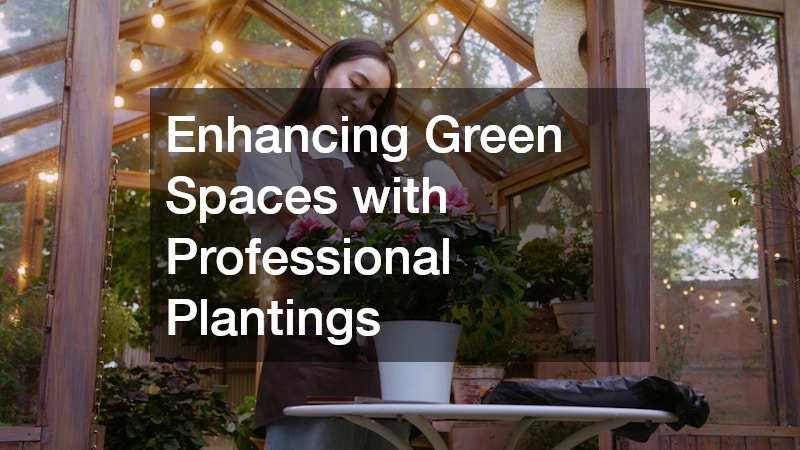
A beautiful hardscape structure relies on healthy, vibrant greenery to soften hard lines and bring the space to life. Thoughtful plant selection and professional site maintenance ensure that lawns, trees, shrubs, and flower beds flourish throughout the changing seasons.
-
Conduct soil pH and nutrient testing before adding new perennial beds or ornamental trees.
-
Group flora with matching sunlight and hydration preferences to streamline garden upkeep routines.
-
Incorporate native plant species that thrive in local soil conditions and attract helpful pollinators.
Curating Year-Round Foliage and Blooms
Designing a dynamic garden involves layering plants with varying bloom times, foliage textures, and mature heights. Evergreens offer reliable structure and privacy during cold winter months, while deciduous trees, perennial flowers, and ornamental grasses deliver changing color throughout spring, summer, and autumn. Grouping plants with similar water and light requirements simplifies ongoing care while maximizing garden health.
Utilizing Professional Ground Management
Maintaining a lush, weed-free lawn and pristine flower beds demands consistent effort and specialized equipment. Hiring comprehensive landscaping services ensures that turf receiving proper fertilization, pest management, and regular edging remains dense and resilient. Professional teams also assist with seasonal cleanup, mulch application, and pruning, keeping the home perimeter looking polished with minimal stress for the homeowner.
-
Schedule organic core aeration during fall or spring to reduce soil compaction in heavy traffic zones.
-
Apply fresh organic mulch annually to retain soil moisture and suppress unwanted weed growth.
-
Adjust irrigation schedules based on seasonal rainfall shifts to minimize excess water usage.
Integrating Relaxing Water Features
Water elements bring movement, gentle sound, and sensory delight to outdoor spaces. From small ornamental fountains to expansive swimming pools and naturalistic backyard ponds, water features transform ordinary yards into serene, resort-like escapes that melt away daily stress.
-
Choose central water feature locations that minimize leaves and organic falling debris from overhead trees.
-
Verify proper electrical safety switches and grounded outlets are installed near water equipment zones.
-
Balance aquatic plants with continuous filtration to maintain natural biological water balance.
Preparing Pools for Seasonal Enjoyment
Opening a new or newly renovated swimming pool requires careful water management to protect delicate interior finishes and maintain proper chemical balance. Professional pool filling eliminates the risks associated with municipal water pressure fluctuations or slow hose fills, which can cause surface staining or structural liner damage. Utilizing bulk water delivery ensures the basin is filled rapidly, allowing chemical balancing to begin immediately so the pool is ready for swimming.
Installing Luxurious Hydrotherapy Spas
Integrating a private spa into a deck or patio setting creates an inviting retreat for year-round relaxation and muscular recovery. Choosing a certified hot tub installation service guarantees that electrical hookups, base structural support, and drainage systems comply with local safety codes. Proper placement near home entryways ensures easy winter access, allowing family members to enjoy warm outdoor soaking sessions even on crisp, frosty nights.
-
Position outdoor spas on reinforced concrete pads capable of supporting substantial water weight.
-
Install privacy screens or tall ornamental grasses around the spa area for enhanced solitude.
-
Select energy-efficient insulated spa covers to trap heat effectively during colder winter months.
Maintaining Eco-Friendly Pond Circulation
For properties featuring natural reflection ponds or aquatic gardens, keeping the water clear and oxygen-rich is vital for preventing algae growth and supporting fish life. Utilizing aeration windmill services offers an off-grid, environmentally friendly way to continuously circulate water using natural wind power. These kinetic structures push air to diffusers at the bottom of the pond, continuously turning over stagnant water layers without increasing monthly electricity bills.
Creating Cozy Ambiance and Evening Illumination
An outdoor sanctuary should not become unusable once the sun sets. Strategic illumination, warmth sources, and comfortable outdoor furnishings allow families to enjoy their yards well into the evening, extending outdoor living hours into every season.
-
Install automatic timers or smart lighting controls to manage evening energy use effortlessly.
-
Mix warm LED temperatures across pathways to foster a gentle, welcoming nocturnal glow.
-
Place accent fixtures near physical steps or grade changes to protect walking guests after dark.
Layering Outdoor Lighting Systems
Effective outdoor lighting combines functional safety with ambient atmosphere. Pathway lights clarify walkways, while subtle uplighting placed at the base of mature trees highlights architectural foliage. Integrated deck lights along stair risers prevent trips, while soft overhead string lights or hanging lanterns cast a warm, inviting glow over dining and lounge seating areas.
Incorporating Fire Features for Year-Round Warmth
Fire pits and custom outdoor fireplaces serve as natural gathering points for family and guests. Whether choosing a traditional wood-burning stone pit for classic campfires or a clean-burning natural gas table for instant flame, fire features introduce necessary heat during cool spring and autumn evenings. Surrounding the fire feature with comfortable, weather-resistant seating creates an instant hub for storytelling, roasting marshmallows, and relaxing after long weekdays.
-
Select natural gas or propane burner systems for convenient, smoke-free operation near dining spots.
-
Maintain clear clearance distances between open flames and low-hanging tree branches or pergolas.
-
Store dry firewood in covered, well-ventilated racks away from direct contact with the ground.
Finishing Touches for Everyday Outdoor Living
Completing an outdoor haven involves adding personal decorative touches, functional accessories, and protective elements that make the space feel as curated and comfortable as an indoor living room.
-
Use weather-resistant storage benches to protect cushions and throw blankets from unexpected rain.
-
Select modular seating configurations that reconfigure easily for small or large social gatherings.
-
Introduce outdoor-rated audio speakers to broadcast subtle background music across dining zones.
Selecting All-Weather Furnishings and Fabrics
Outdoor furniture must withstand constant exposure to sunlight, rain, and fluctuating temperatures without losing its visual appeal or structural integrity. Opting for weather-resistant materials such as powder-coated aluminum, synthetic teak, or high-density polyethylene ensures long-lasting durability. Pair these frames with quick-drying foam cushions wrapped in solution-dyed acrylic fabrics to resist fading, mildew, and staining over time.
Personalizing Spaces with Decor and Plants
Final decorative accents bring warmth and individual personality to hardscaped areas. Outdoor rugs define seating zones, while colorful accent pillows and throw blankets introduce softness. Container gardens planted with vibrant annuals, culinary herbs, or dwarf citrus trees add scent, color, and texture directly to dining tables and patio perimeters, completing the feeling of a private, fully realized outdoor sanctuary.
-
Rotate container plant arrangements seasonally to maintain fresh focal points throughout the year.
-
Hang outdoor canvas art or decorative wall lattices to soften large expanse masonry walls.
-
Incorporate scented herbs like lavender or rosemary near seating zones for natural aromatics.
Building a personalized outdoor sanctuary is an ongoing, deeply rewarding journey that transforms a basic residential yard into a cherished extension of the home. By laying strong structural foundations, incorporating resilient surfaces, balancing hardscapes with lush greenery, and integrating relaxing amenities, families create an inviting environment tailored to their lifestyle. Whether hosting vibrant summer gatherings, enjoying quiet morning coffees, or unwinding in a warm spa under the stars, a thoughtfully designed yard enriches daily life, boosts property value, and offers a peaceful haven right outside your door for years to come.
